
 Featured Machines
 Travel CPAPs

 Most Popular Masks

 Tubes and Hoses
 Humidifier Chambers
 Machine Filters
 Power Cords
 Headgear
 Nasal Pillows
 Cushions and Seals


Sleep Apnea Telehealth for Better Sleep

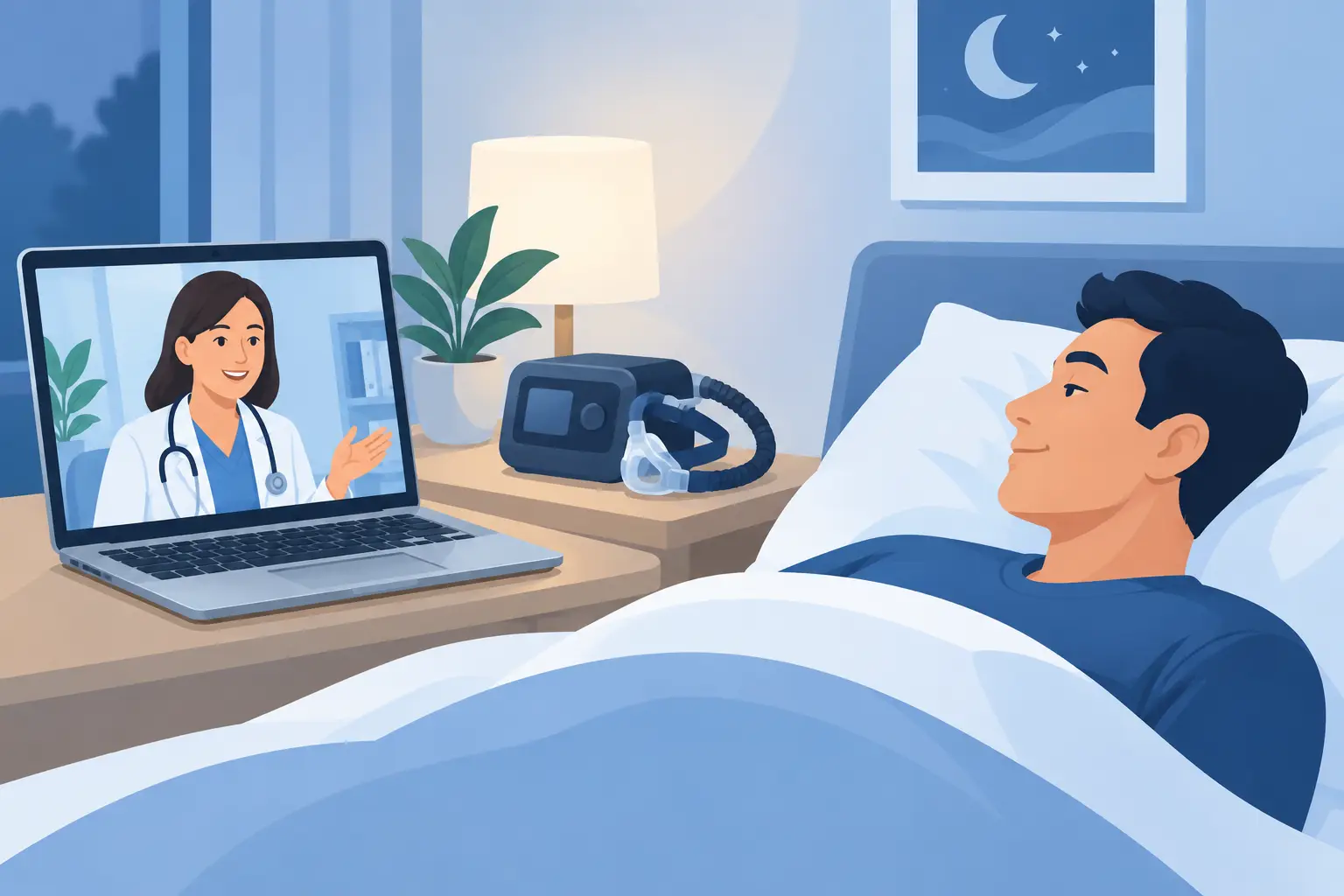
Waking up tired after a full night in bed can make everything harder: work, family time, driving, and the simple task of feeling like yourself. If loud snoring, gasping, morning headaches, or daytime fatigue are part of your routine, sleep apnea telehealth can offer a more convenient way to take the next step from home.
For many people, getting evaluated for sleep apnea used to mean coordinating a referral, traveling to a sleep center, and spending a night away from home. Virtual care can reduce much of that friction. It may help you connect with a qualified provider, arrange home sleep testing when appropriate, discuss results, and move forward with prescription support and CPAP treatment without making every step an in-person appointment.
What Sleep Apnea Telehealth Can Help You Do
Sleep apnea telehealth brings parts of the sleep-care process to a secure virtual setting. You may meet with a healthcare provider by video or phone to discuss symptoms, health history, current medications, and your sleep concerns. That conversation helps determine whether a home sleep apnea test may be a suitable next step.
A home test is designed to collect information while you sleep in your own bed. Depending on the device, it may track breathing patterns, oxygen levels, airflow, heart rate, and effort to breathe. You typically receive instructions for using the equipment, complete the test overnight, and return or submit it according to the program’s process. A qualified provider reviews the results and discusses what they mean for your care.
For people who already have diagnosed obstructive sleep apnea, telehealth can also be useful when a prescription needs renewal, therapy settings need review, or it is time to replace an aging CPAP machine. Affordable Sleep Solutions offers a digital prescription-renewal option for eligible patients, helping make an often frustrating administrative step more manageable.
Telehealth does not replace every kind of medical care. It is a practical option for many routine sleep apnea needs, but the right path depends on your symptoms, medical history, and the provider’s clinical judgment.
Who May Be a Good Fit for Virtual Sleep Care?
Virtual sleep care can be especially helpful if getting to a sleep clinic is difficult, your schedule is packed, or you want to start the process privately from home. Adults with common signs of obstructive sleep apnea may be candidates for an initial virtual evaluation. Those signs can include frequent snoring, witnessed pauses in breathing, waking up choking or gasping, unrefreshing sleep, dry mouth in the morning, and persistent daytime sleepiness.
It can also work well for experienced PAP users who need a replacement device or updated prescription. A CPAP machine does not last forever, and masks, cushions, filters, tubing, and humidifier chambers need regular attention. Addressing equipment needs promptly can help prevent a small comfort issue from becoming a reason to stop therapy altogether.
Still, some situations call for more specialized or in-person assessment. A provider may recommend a traditional sleep study rather than a home test if you have certain heart or lung conditions, possible neurological sleep disorders, complex insomnia, concerns about central sleep apnea, or symptoms that do not fit a straightforward obstructive sleep apnea pattern. If you have chest pain, severe shortness of breath, fainting, or another urgent concern, seek immediate medical care rather than waiting for a virtual appointment.
How At-Home Testing Usually Works
The process is generally straightforward, though the details vary by provider and testing program. First, you complete a clinical consultation and answer questions about your sleep, health, and symptoms. If home testing is appropriate, the test is shipped to you or arranged for pickup.
On the night of the test, you follow the provided instructions and wear the sensors as directed. The goal is not perfection. If a sensor comes loose or you sleep poorly, tell the care team. Sometimes a test needs to be repeated, and that does not mean you did anything wrong. It simply means the provider needs enough usable information to make a sound clinical decision.
After the results are reviewed, the provider may confirm obstructive sleep apnea and discuss treatment recommendations. If PAP therapy is prescribed, you can select equipment suited to your needs, prescription requirements, and comfort preferences. Many people start with an auto-adjusting CPAP, often called APAP, because it can respond to changing pressure needs throughout the night. Others may need fixed-pressure CPAP or bilevel therapy based on their prescription and clinical situation.
Sleep Apnea Telehealth Is Only the Start of Treatment
A diagnosis is meaningful, but consistent treatment is where better sleep begins to take shape. CPAP therapy uses gentle pressurized air to help keep the airway open during sleep. When the airway stays open, breathing interruptions can decrease, oxygen levels may improve, and sleep can become more restorative.
The best machine is not simply the most advanced model. It is the one that matches your prescription and that you can use consistently. Features such as automatic pressure adjustment, heated humidification, ramp settings, and climate-control tubing can make a real difference in comfort. For frequent travelers, a compact travel CPAP may make it easier to stay on therapy instead of leaving the device at home.
Mask comfort matters just as much. A nasal mask can be a good choice for many people, while nasal pillows offer a lighter profile for those who prefer less facial coverage. Full-face masks may be better for people who breathe through their mouth during sleep or experience frequent nasal congestion. There is no universal best mask. The right fit depends on your facial structure, sleeping position, pressure needs, and personal comfort.
What to Ask During a Virtual Appointment
A telehealth visit is your time to get clear answers, not just a prescription. Before your appointment, consider keeping a short record of your symptoms, such as how often you wake at night, whether someone has noticed pauses in breathing, and how sleepiness affects your day.
Ask whether a home sleep test is appropriate for you, what the results can and cannot show, and when you should expect to hear back. If treatment is recommended, ask what type of PAP device fits your prescription, whether humidification may help with dryness, and what support is available if the mask leaks or the pressure feels uncomfortable.
If you already use CPAP, be specific about what is getting in the way. A provider can better guide you when they know whether you are dealing with dry mouth, skin irritation, congestion, noise, unintentional mask removal, or difficulty using therapy while traveling. Small adjustments can often improve your experience significantly.
Cost, Insurance, and Prescription Details
Cost is often a major concern, and it should be discussed openly. Virtual consultations, home sleep tests, prescription renewals, and PAP equipment may be covered differently depending on your insurance plan. Coverage can also depend on deductibles, network status, medical necessity requirements, and documentation rules.
Before ordering equipment, confirm what your plan may cover and what paperwork is needed. If you are paying out of pocket, compare the full cost of care, including the test, clinical review, machine, mask, and supplies. A lower initial price is not always the lowest long-term cost if it does not include the support or equipment quality you need.
You will generally need a valid prescription for a CPAP, APAP, or bilevel device. Keep a copy of your prescription and sleep-study documentation in a secure place. They can be useful when replacing equipment, changing suppliers, traveling, or working through insurance questions later.
Getting Comfortable With CPAP at Home
The first few nights with PAP therapy can feel unfamiliar. Give yourself room to adjust. Try wearing the mask while reading or watching television before bedtime so the sensation becomes less new. Make sure the mask is fitted snugly enough to limit leaks but not so tight that it leaves deep marks or causes soreness.
Cleaning and replacing supplies on schedule also protects comfort and performance. A worn cushion may leak even if the machine is working properly. A dirty filter can affect airflow. Replacing these smaller components is often one of the simplest ways to keep therapy feeling effective.
Better breathing at night should not require an exhausting path to care. A thoughtful virtual evaluation, the right testing approach, and equipment you can comfortably use can help turn restless nights into a treatment plan that fits your real life.