
 Featured Machines
 Travel CPAPs

 Most Popular Masks

 Tubes and Hoses
 Humidifier Chambers
 Machine Filters
 Power Cords
 Headgear
 Nasal Pillows
 Cushions and Seals


How to Prepare for an Overnight Sleep Test

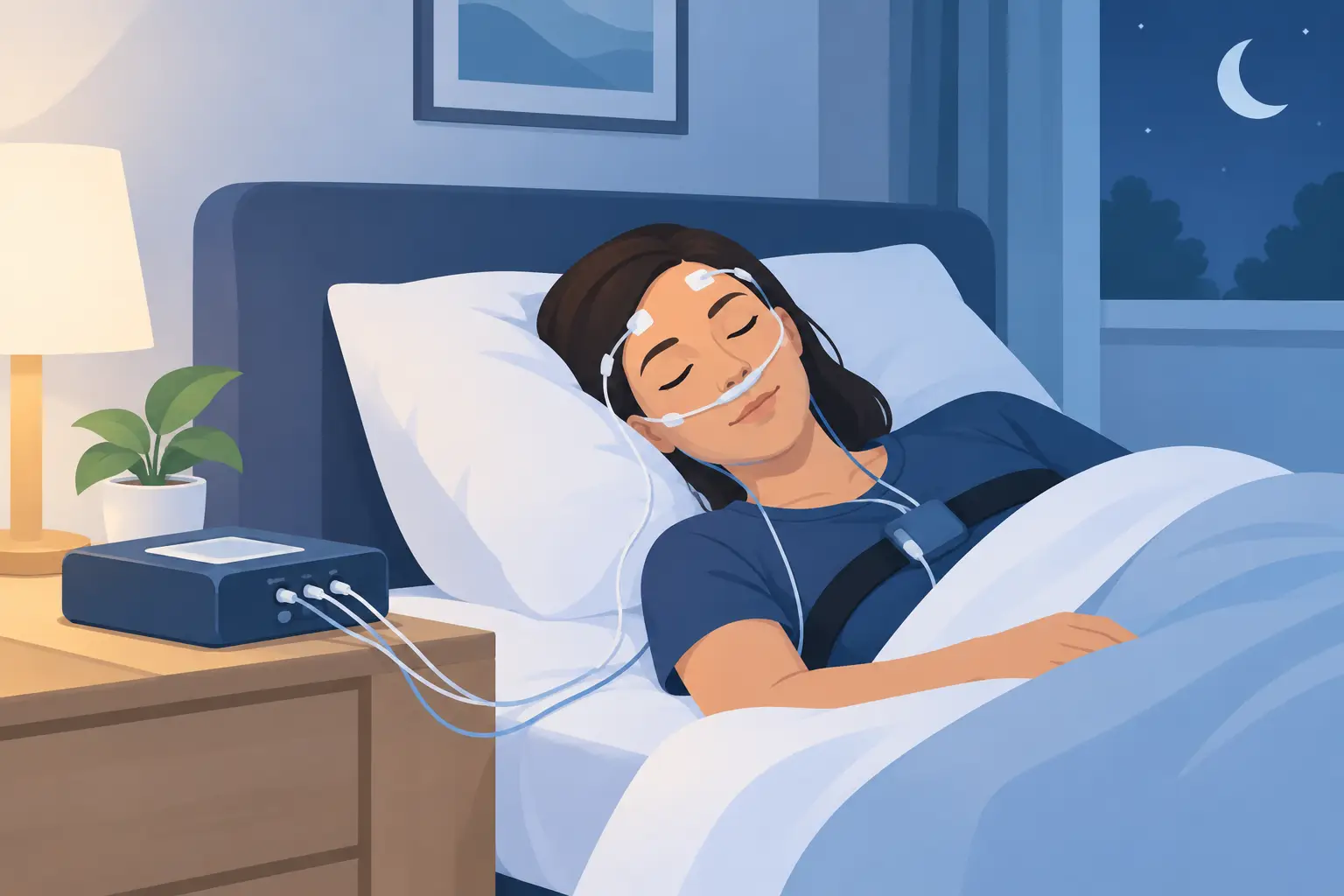
A sleep study is designed to capture your usual sleep patterns, not a perfect night of sleep. Knowing how to prepare for an overnight sleep test can ease the uncertainty, help you feel more comfortable in an unfamiliar setting, and give your care team the clearest possible picture of your breathing and rest.
If you have been dealing with loud snoring, pauses in breathing, morning headaches, or exhaustion that coffee cannot fix, this test may be an important next step. An overnight sleep test, often called an in-lab sleep study or polysomnogram, records information such as breathing, oxygen levels, heart rate, body movement, and sleep stages while you rest.
How to Prepare for an Overnight Sleep Test
Your sleep center should provide personalized instructions before your appointment. Follow those first, especially if you take prescription medication, use nighttime oxygen, or have other health conditions. The suggestions below are meant to make the experience less stressful, not replace your clinician’s directions.
An overnight sleep study is different from a home sleep apnea test. A home test is generally used to screen for obstructive sleep apnea in your own bed, while an in-lab study uses more sensors and can evaluate a wider range of sleep-related concerns. If your provider recommends an overnight study, it may be because they need more detailed information to guide your care.
In the Days Before Your Study
Keep your routine as normal as possible
Avoid trying to “catch up” on sleep for several days before the test. Keep your normal bedtime and wake time whenever you can. The goal is to arrive ready to sleep at roughly the time your body expects, even though the room and equipment may feel new.
Ask the sleep center whether you should avoid naps on the day of the study. Many centers prefer that you skip a late-day nap, since it can make it harder to fall asleep that night. Do not intentionally stay awake the night before to make yourself extra tired unless your care team specifically tells you to do so.
Review medications with your provider
Continue prescription medicines unless the clinician who ordered your test gives you different instructions. This includes medicines for blood pressure, diabetes, pain, mood, or other ongoing needs. Stopping a medication on your own can affect both your health and the usefulness of the study.
Write down the names and doses of everything you take, including over-the-counter sleep aids, allergy medicine, supplements, and melatonin. Some substances can change breathing, movement, or sleep stages. Your sleep team needs accurate information to interpret your results in context.
Confirm the practical details
Call ahead if you are unsure about your check-in time, parking, visitors, or what the center provides. Most studies begin in the evening and end early the next morning, but arrival times vary. Knowing the plan can prevent a rushed start to a night when you want to feel as settled as possible.
What to Do on the Day of Your Sleep Study
Eat your usual meals unless you received other instructions. A light, familiar dinner is often more comfortable than a heavy meal right before bed. Try to limit caffeine after lunch, and avoid alcohol that day unless the sleep center explicitly says otherwise. Alcohol can relax the airway, change sleep architecture, and make the results less representative of your typical night.
Shower and wash your hair before you leave home. Skip hair spray, gels, oils, heavy lotions, and makeup if possible. Small sensors may be placed on your scalp, face, chest, and legs, and clean, dry skin helps the adhesive stay in place. If you wear nail polish or artificial nails, ask whether that could interfere with an oxygen sensor placed on a fingertip.
Wear comfortable two-piece pajamas or loose sleepwear. A top that opens in the front can make it easier for the technician to place chest sensors and leads. Bring layers if you tend to get cold, but remember that the room may have temperature controls and the team can usually help you adjust them.
What to Bring to an Overnight Sleep Test
Pack as you would for one uncomplicated night away from home. Bring your photo ID, insurance information if requested, a current medication list, and any paperwork the sleep center asked you to complete.
It also helps to pack these comfort essentials:
- Comfortable pajamas and clean underwear
- Your usual toothbrush, toothpaste, and nighttime toiletries
- Glasses case, hearing aid case, or contact lens supplies
- A favorite pillow or small comfort item, if the center allows it
- Your regular CPAP, bilevel machine, mask, or oxygen equipment only if instructed to bring it
If you already use PAP therapy, tell the sleep center before your appointment. They may want you to bring your equipment, may provide equipment for a titration study, or may ask you to use a specific setup. The right approach depends on why the study was ordered.
What Happens When You Arrive
A sleep technologist will show you to your room, review your health information, and explain the process. The room may feel more like a simple hotel room than a hospital room, with a bed, private bathroom access, and monitoring equipment nearby. You will have privacy, but the technologist will be able to observe the data and assist you throughout the night.
They will place sensors with adhesive or gentle tape. You may have small electrodes on your head and face, belts around your chest and abdomen, sensors on your legs, and a clip on your finger to monitor oxygen. A small airflow sensor may sit near your nose and mouth. None of these devices should hurt, though they can feel unfamiliar at first.
Before lights-out, the technologist may ask you to move your eyes, flex your feet, breathe deeply, or perform other quick checks. This confirms that each sensor is working. You can still change positions during the night, and you can call for help if you need to use the restroom or feel uncomfortable.
If You Worry You Will Not Sleep
That concern is very common. Few people sleep exactly as they do at home during a study, and the care team expects that. Even several hours of recorded sleep can provide valuable information, especially when breathing events, oxygen changes, snoring, limb movements, and body position are evaluated together.
Try not to watch the clock or judge the night as it happens. Settle into your usual wind-down routine as much as the setting allows: read something calming, use the restroom before bed, and let the technologist know if you need an adjustment. Do not take a sleep medication unless your provider has approved it and the sleep center knows about it.
If anxiety, chronic pain, reflux, mobility limits, or claustrophobia could make the study harder, mention it before arrival. Small accommodations, such as extra pillows, a different sensor placement when possible, or time to get comfortable, can make a meaningful difference.
After the Test: Turning Results Into Better Sleep
In the morning, the sensors are removed and you can usually return to your regular schedule. You may have a little adhesive residue in your hair or on your skin, so plan time for a shower if needed. The technologist generally cannot diagnose you that night because the recordings need to be reviewed and interpreted by a qualified sleep clinician.
If the results show obstructive sleep apnea, your next step may include discussing PAP therapy, pressure settings, mask comfort, and ongoing support. Treatment is highly personal. The best device and mask are the ones that provide effective therapy while you can comfortably use them night after night.
Affordable Sleep Solutions helps make the path from sleep apnea care to treatment feel more manageable, with convenient remote support, prescription assistance, and equipment options designed around better breathing at home. Your study is not a test you can pass or fail. It is useful information that can point you toward deeper, safer, more restorative sleep.