
 Featured Machines
 Travel CPAPs

 Most Popular Masks

 Tubes and Hoses
 Humidifier Chambers
 Machine Filters
 Power Cords
 Headgear
 Nasal Pillows
 Cushions and Seals


CPAP Supplies: What to Replace for Better Sleep

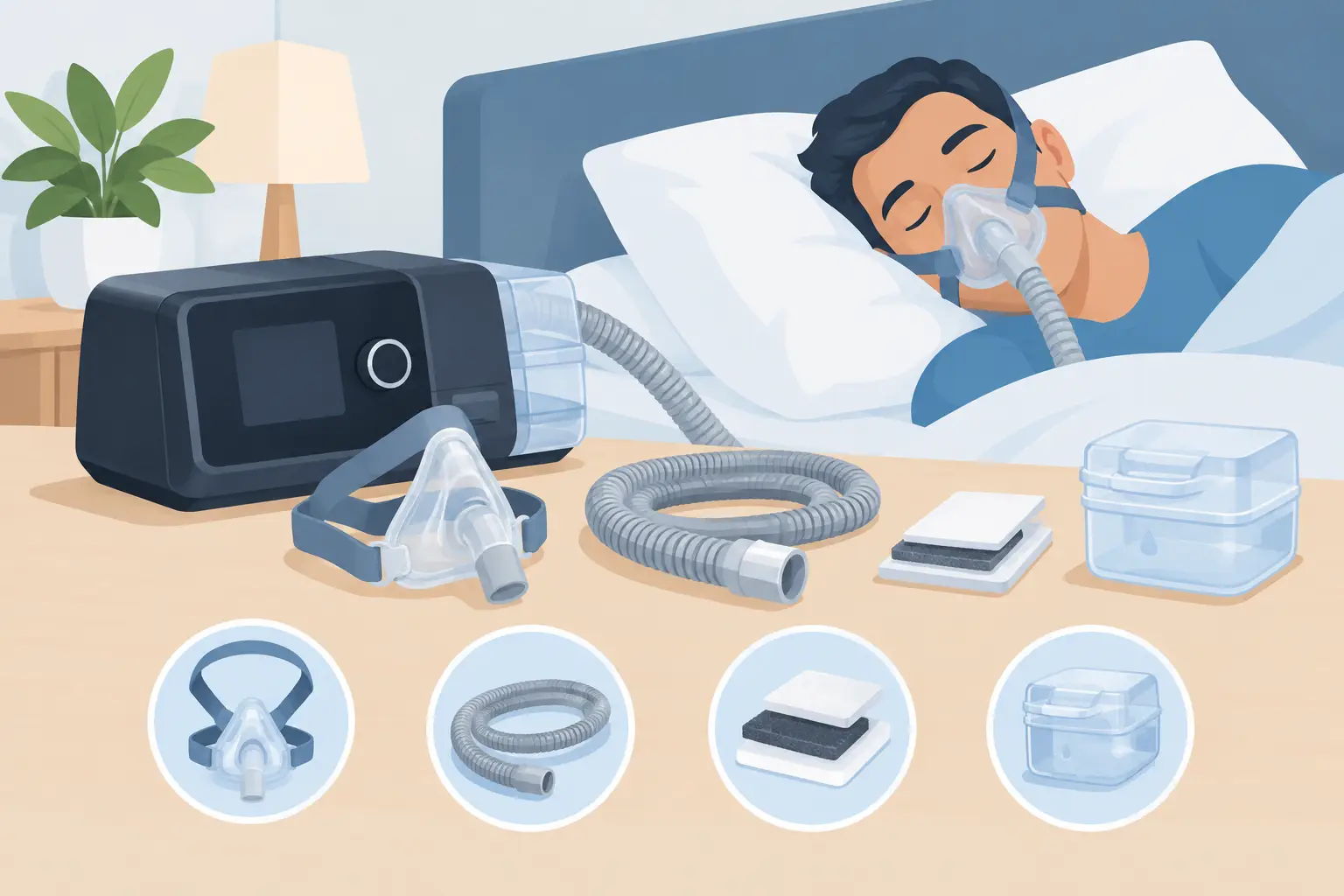
A mask that suddenly whistles, a cushion that needs tightening, or dry air that makes you want to remove your mask at 2 a.m. can all point to the same issue: worn CPAP supplies. Your machine may still be working perfectly, but the parts that touch your face, carry air, and manage moisture do not last forever. Replacing them on a sensible schedule can help you breathe better, sleep deeper, and stay consistent with the therapy prescribed for you.
CPAP therapy is not one-size-fits-all, and neither is supply replacement. Your mask style, cleaning routine, skin oils, humidifier use, household environment, and insurance coverage can all affect how quickly a part wears out. The goal is not to replace equipment simply because a calendar says so. It is to recognize the signs that comfort, seal, hygiene, or therapy performance may be slipping.
The CPAP Supplies That Need Regular Attention
A complete CPAP setup includes more than the machine. Your mask system, cushion or nasal pillows, headgear, tubing, filters, humidifier chamber, and power components work together to deliver prescribed pressure comfortably. When one part is worn, it can affect the entire experience.
Mask cushions and nasal pillows
The cushion or nasal pillows create the seal between your mask and your face. Because they are exposed to skin oils, moisture, and regular movement, they are often the first components to lose their shape or grip. A cushion that once sealed easily may begin leaking around the nose, blowing air toward your eyes, or requiring you to tighten the headgear more than usual.
Many users replace cushions or nasal pillows about every one to three months, but your own experience matters more than a fixed date. If washing no longer restores the soft feel and dependable seal, it is time to consider a replacement. Do not keep tightening the straps to compensate. Over-tightening can cause pressure marks, soreness, and even more leaks.
Mask frame and headgear
Mask frames are more durable than cushions, though cracks, discoloration, loose connections, or a poor fit are clear reasons to replace them. Headgear gradually stretches from nightly use and repeated washing. When straps no longer hold their adjustment or must be pulled excessively tight to stop leaks, fresh headgear can make a meaningful difference.
Depending on the mask and how often it is used, frames and headgear commonly last several months. Keep an eye on comfort rather than waiting for a complete failure. A well-fitting mask should feel secure without feeling restrictive.
CPAP tubing
Tubing carries pressurized air from the machine to your mask. Standard tubing and heated tubing can develop small holes, loose cuffs, condensation buildup, or lingering odors over time. Even a tiny tear can reduce pressure delivery or create an irritating hissing sound.
Inspect your tubing regularly by holding it up to the light and checking both ends for cracking or wear. Replace it if you see damage, cannot remove residue through cleaning, or notice an unexplained change in air flow. Heated tubing also deserves extra care because its electrical connections need to remain clean and dry.
Filters
Filters protect your machine by capturing dust, pet dander, and other airborne particles before they reach internal components. A dirty filter may restrict air flow and make the device work harder. For people with allergies, pets, or a dusty home, this small supply can have an outsized effect on comfort.
Disposable filters are typically changed more often than reusable filters, and the right timing depends on your machine model and home environment. Check the filter at least monthly. If it looks gray, dusty, or visibly clogged, replace it. Never run your device without the correct filter in place.
Humidifier chambers
Humidification can reduce dry nose, throat irritation, and dry mouth, especially when you use a full face mask or live in a dry climate. The water chamber should be emptied and rinsed daily, then allowed to air-dry. Using distilled water helps minimize mineral buildup.
Replace a humidifier chamber when it becomes cloudy, cracked, pitted, difficult to clean, or no longer seals properly. A damaged chamber can leak or interfere with humidification. If you see persistent white mineral deposits, review your water source and cleaning routine before assuming the chamber itself is the only problem.
How to Tell When Your CPAP Supplies Are Worn Out
Replacement timing is helpful, but your nightly experience offers the best clues. New or worsening air leaks, loud sounds, dry mouth, facial soreness, red marks, and frequent awakenings may indicate that a mask component needs attention. A stale smell, visible discoloration, or material that feels stiff or tacky can also signal wear.
It is worth separating a supply issue from a therapy issue. For example, snoring through your mask, feeling short of breath, waking with headaches, or having persistent daytime sleepiness may mean your settings or treatment needs should be reviewed. Do not change prescribed pressure settings on your own. A qualified clinician can help determine whether the concern is a worn supply, a mask-fit problem, or a need for follow-up care.
If you have recently changed weight, started a new medication, had nasal surgery, developed significant congestion, or experienced a return of symptoms, reach out for guidance. Affordable Sleep Solutions can help eligible patients explore convenient prescription renewal and equipment support from home.
A Simple Care Routine Helps Supplies Last
Clean equipment is more comfortable, but harsh cleaning can shorten its life. Use warm water and mild soap recommended for CPAP equipment. Avoid bleach, alcohol, scented oils, strong household cleaners, and very hot water, which can damage silicone and plastic components.
For most users, a practical routine includes washing the cushion or nasal pillows daily, rinsing and drying the humidifier chamber daily, and washing the tubing, mask frame, and headgear weekly. Let every part dry fully away from direct sunlight before using it again. Moisture left inside tubing or a chamber can encourage unwanted buildup.
Keep replacement supplies on hand rather than waiting until a cushion fails in the middle of the night. A spare cushion, filter, and set of tubing are especially useful before travel. If you use a travel CPAP, check that its mask connection, power cord, and humidification setup are compatible with your usual routine.
Choosing the Right Replacement Parts
When ordering CPAP supplies, match the replacement part to your exact machine and mask model. A nasal cushion is not interchangeable with a full face cushion, and even masks from the same manufacturer may use different clips, frames, or cushion sizes. The product name printed on your mask frame or user guide is usually the easiest place to start.
Comfort should guide your decisions. Nasal masks work well for many people who breathe primarily through the nose. Nasal pillows offer a lighter profile and less facial coverage. Full face masks may be a better option for mouth breathers, people with frequent nasal congestion, or users who need a higher pressure range. Each option involves trade-offs: a smaller mask can feel less confining, while a fuller mask may offer more reliable coverage for certain breathing patterns.
Your prescription requirements may also vary by product. Replacement masks and machine purchases often require a valid prescription, while many individual accessories do not. If your prescription has expired, do not let that become a reason to postpone treatment. A digital renewal process may offer a more convenient path when clinically appropriate.
Make Consistent Therapy Easier
The best CPAP supplies are the ones that support a routine you can maintain. Set a recurring reminder to inspect filters, wash components, and check your cushion for wear. Note any changes in leaks or comfort before they become a reason to skip therapy.
If cost is a concern, prioritize the parts that directly affect the seal, air path, and machine protection: cushions or pillows, filters, tubing, and a sound humidifier chamber. Insurance coverage and replacement allowances differ, so checking your benefits can help you plan ahead. If you pay out of pocket, buying the correct part the first time helps prevent unnecessary returns and frustration.
A comfortable mask, clean air path, and reliable supply routine can turn CPAP from something you manage into a familiar part of restful sleep. When your equipment starts asking for more effort than it should, treat that as useful information and give your therapy the fresh support it deserves.