
 Featured Machines
 Travel CPAPs

 Most Popular Masks

 Tubes and Hoses
 Humidifier Chambers
 Machine Filters
 Power Cords
 Headgear
 Nasal Pillows
 Cushions and Seals


CPAP Prescription Requirements Explained

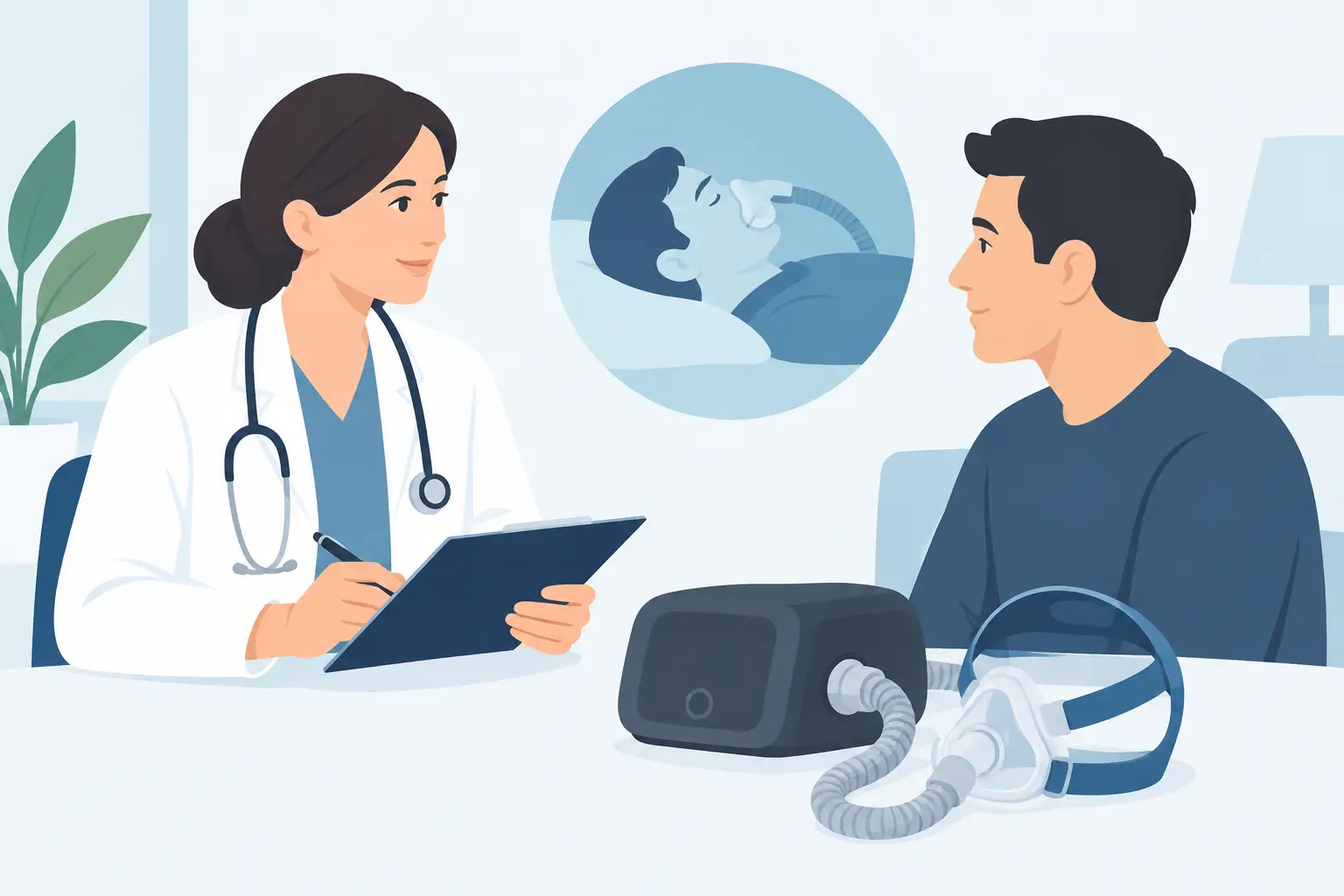
A CPAP machine can make the difference between restless, interrupted nights and the steady, restorative sleep your body needs. But before you can order a CPAP or APAP device, you will need to meet CPAP prescription requirements. That does not have to mean a long wait, multiple office visits, or a confusing process. For many people, the path to treatment can begin from home with a qualified medical provider, appropriate testing, and a prescription tailored to their needs.
Why a CPAP Prescription Is Required
In the United States, CPAP, APAP, and bilevel machines are regulated medical devices. They deliver pressurized air to help keep the airway open during sleep, so a licensed healthcare provider must prescribe the device and the therapy settings or setting range.
That requirement protects you. Sleep apnea treatment is not one-size-fits-all. A pressure that feels comfortable for one person may be ineffective or poorly tolerated for another. Your provider considers your sleep study results, symptoms, health history, and the type of sleep-disordered breathing you have before recommending a therapy plan.
A prescription also helps ensure you receive the right type of equipment. Many people with obstructive sleep apnea do well with CPAP or auto-adjusting positive airway pressure, often called APAP. Others may need bilevel therapy, which uses different pressures for inhaling and exhaling. Choosing based on price alone can lead to an uncomfortable setup or therapy that does not meet your clinical needs.
What CPAP Prescription Requirements Usually Include
A valid prescription is generally written by a licensed physician, nurse practitioner, physician assistant, or other qualified provider permitted to prescribe in your state. The exact document can look different from one practice to another, but it commonly identifies the patient, prescriber, date, and prescribed therapy.
For a CPAP or APAP machine, the prescription may state a fixed pressure or an automatic pressure range. It may also specify the device type, such as CPAP, APAP, or bilevel PAP. Providers can include comfort features and related equipment, including heated humidification, if clinically appropriate.
Your equipment provider may need a clear, legible copy of the prescription before shipping a machine. If you already use CPAP, an existing prescription may be enough to purchase a replacement device, provided it remains valid under the provider’s, seller’s, and applicable state requirements.
A diagnosis and sleep evaluation matter
A prescription is not simply a formality. It is part of a clinical decision based on evidence that PAP therapy is appropriate for you. Most patients receive that diagnosis after a sleep evaluation and a sleep study. Depending on your symptoms and medical history, that may be an in-lab sleep study or a home sleep apnea test.
Home testing can be a practical option for many adults with suspected obstructive sleep apnea. You complete the test in your own bed, then a qualified clinician reviews the results. It is not right for every situation. People with certain heart, lung, neuromuscular, or complex sleep conditions may need a more comprehensive evaluation or an in-lab study.
Insurance may require additional documentation
Your clinical prescription and your insurance plan’s paperwork rules are not always the same thing. Even when you have a valid prescription, an insurer may ask for a qualifying sleep study, chart notes, a detailed written order, or proof that you are using therapy consistently.
Medicare and private insurance plans can have their own coverage standards, replacement schedules, and compliance requirements. Checking coverage before you order can prevent unwelcome surprises. If you prefer to pay out of pocket, you still need a valid prescription for the machine, but the insurance documentation process may not apply.
Do You Need a New Prescription for a Replacement CPAP?
It depends on the age and status of your prescription. If your current machine is aging, malfunctioning, or no longer meeting your needs, a supplier may be able to fill the order using your existing prescription. If it has expired, is missing key information, or no longer reflects your current treatment plan, a renewal may be needed.
A new prescription is especially wise when your needs have changed. Significant weight changes, new health conditions, ongoing snoring while using therapy, persistent daytime sleepiness, or trouble tolerating pressure all deserve a conversation with a clinician. The answer may be a revised pressure range, a different machine mode, or an adjustment to your mask and humidity settings.
Do not assume a new machine will solve a therapy problem on its own. A newer APAP device may offer helpful comfort features, detailed therapy tracking, and automatic pressure adjustment, but it should still be selected with your prescribed treatment in mind.
What You Can Usually Buy Without a New Machine Prescription
The machine itself requires a prescription, but many replacement CPAP supplies can generally be purchased without obtaining a new prescription each time. These commonly include masks, cushions, headgear, tubing, filters, humidifier chambers, and power cords. Store policies and insurance rules can vary, so it is still smart to keep a copy of your prescription and confirm what is needed before ordering.
Replacing worn supplies is not just a matter of convenience. A stretched headgear strap, flattened cushion, or clogged filter can make treatment less comfortable and may contribute to leaks. When your mask fits well and your equipment is clean and functioning properly, it is easier to use therapy consistently.
If you are switching to a different mask style, consider your sleep habits and comfort preferences. A nasal mask may feel less bulky for some sleepers, while a full face mask may be a better option if you breathe through your mouth at night. The best mask is the one that creates a dependable seal without making you dread bedtime.
A Simple At-Home Path to a CPAP Prescription
If you suspect sleep apnea but have not been diagnosed, start with a medical evaluation rather than trying to self-treat. Symptoms such as loud snoring, witnessed pauses in breathing, gasping awake, morning headaches, dry mouth, and daytime fatigue are worth addressing. Untreated sleep apnea can affect your energy, concentration, mood, and long-term health.
For eligible patients, the process may begin with a virtual consultation. A clinician reviews your symptoms and health history and determines whether a home sleep apnea test is appropriate. After the test is completed and interpreted, the provider can discuss your results and, if indicated, prescribe PAP therapy.
If you are already diagnosed, prescription renewal may be more straightforward. A virtual clinician can review your existing therapy history and determine whether renewing your prescription is appropriate. Affordable Sleep Solutions offers a digital prescription-renewal option designed to make this step more accessible for established PAP users who need a current prescription for a replacement machine.
Privacy matters throughout this process. Choose a provider and equipment source that handles your health information securely and clearly explains what documentation is required. You should understand who is reviewing your results, what your prescription covers, and how to get support if you have questions after your equipment arrives.
Questions to Ask Before You Order
Before purchasing a CPAP machine, confirm that the prescription matches the device you plan to buy. Ask whether it specifies a fixed pressure or an auto-adjusting range, and make sure you understand whether you need CPAP, APAP, or bilevel therapy. If your prescription lists a pressure range, verify that the selected machine supports that range.
It also helps to ask about humidification, travel needs, and data monitoring. Heated humidification can ease dryness for many users, while a compact travel CPAP may be useful for frequent trips. These features can improve convenience, but they do not replace the need for proper therapy settings and a comfortable mask.
Finally, save a copy of your prescription in a secure place. You may need it later if you replace a device, move to a new supplier, seek insurance reimbursement, or travel with equipment that raises questions.
Better sleep should feel within reach, not buried under paperwork. With the right evaluation, a valid prescription, and equipment that fits your routine, you can move toward calmer nights, easier breathing, and more energy for the life waiting when morning comes.