
 Featured Machines
 Travel CPAPs

 Most Popular Masks

 Tubes and Hoses
 Humidifier Chambers
 Machine Filters
 Power Cords
 Headgear
 Nasal Pillows
 Cushions and Seals


AirFit F20 Review for Comfortable CPAP Therapy

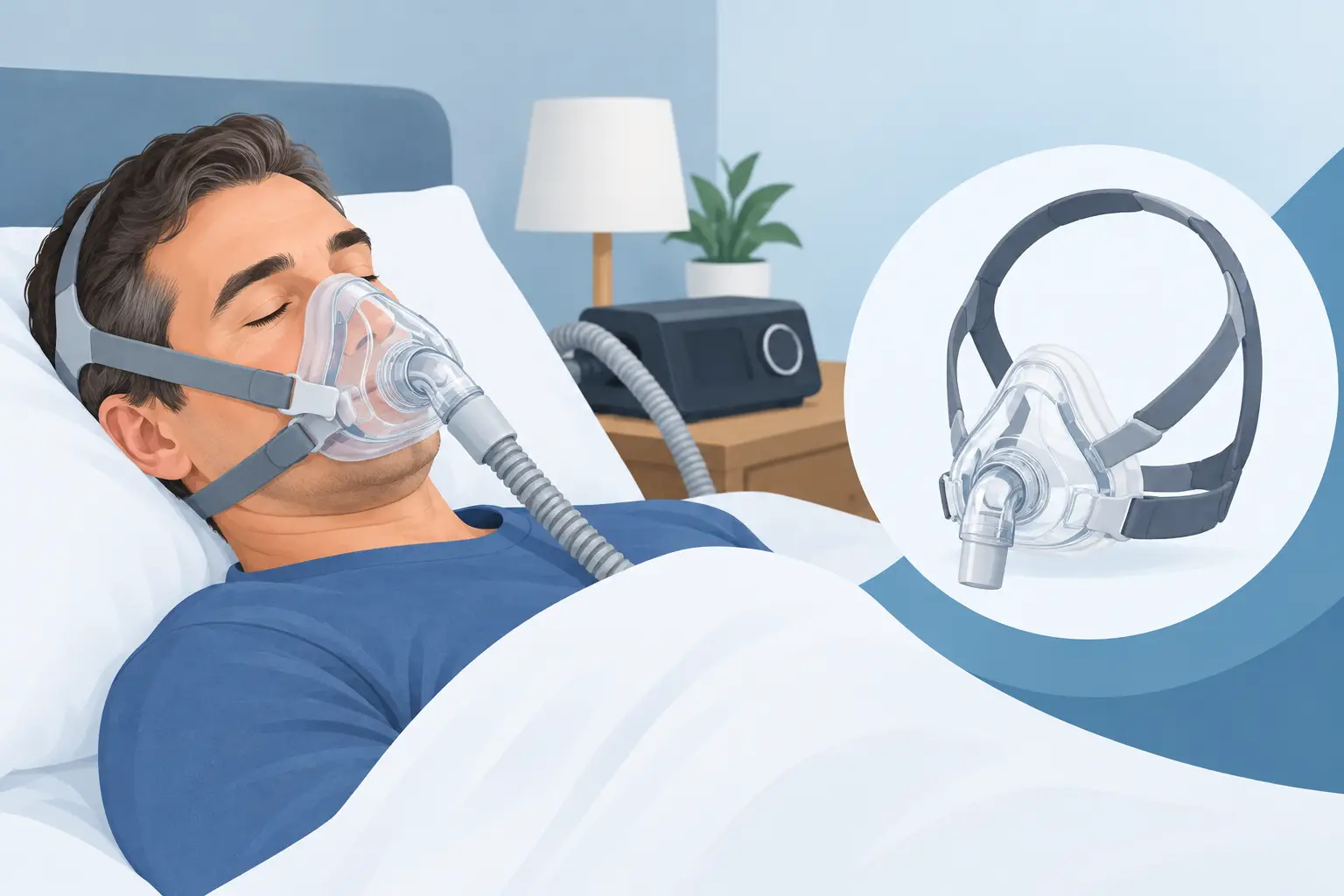
If you wake up with a dry mouth, breathe through your mouth during sleep, or need higher CPAP pressures, a nasal mask may not feel like enough. This AirFit F20 review looks at why ResMed’s popular full-face mask remains a practical choice for many people who want dependable sleep apnea therapy without an overly complicated setup.
The AirFit F20 covers both the nose and mouth, allowing you to continue receiving prescribed pressure even when nasal congestion or mouth breathing gets in the way. It is not the smallest or lightest mask style available, and it will not suit every sleeper. But for many new and experienced CPAP users, its familiar design, secure seal, and easy-to-replace parts make it a reliable place to start.
AirFit F20 Review: What Makes This Mask Different?
The ResMed AirFit F20 is a full-face CPAP mask designed for use with CPAP, APAP, and bilevel therapy. Its defining feature is the InfinitySeal silicone cushion, which sits around the nose and mouth rather than resting inside the nostrils or only beneath the nose. This broader sealing surface can be especially helpful for people who struggle with opening their mouth at night.
The mask also uses a soft headgear system and quick-release magnetic clips on most versions. Once the headgear is adjusted, you can generally disconnect the lower clips to remove the mask without resetting the straps every night. That sounds like a small convenience, but it can make a real difference when you are tired, need a drink of water, or get up during the night.
The AirFit F20 is available in small, medium, and large cushion sizes. A good size matters more than most people expect. A cushion that is too small may press into the bridge of the nose or corners of the mouth. One that is too large can shift, leak, or feel bulky. Fit should be based on where the cushion seals, not simply on the size of your face.
Comfort and Fit in Real-World Use
Comfort is the reason people either stay consistent with CPAP therapy or begin avoiding it. The AirFit F20 is built to create a stable seal while allowing for some movement during sleep. Its cushion is soft and flexible, so it can adapt to different facial contours better than a rigid plastic frame alone.
That does not mean it is pressure-free. Because it is a full-face mask, the F20 has more contact with the face than a nasal pillow or nasal cradle mask. People who dislike anything touching the bridge of the nose may prefer an under-the-nose full-face option. Side sleepers can use the F20 successfully, but they may need to adjust their pillow position so the mask cushion is not pushed sideways.
Many users find that the best seal comes from wearing the headgear slightly looser than expected. Overtightening is a common mistake. When straps are pulled too tight, the silicone cushion can flatten against the skin and create more leaks instead of fewer. Start with the mask centered on your face, turn on the airflow, then make small, even adjustments until the leak settles.
Facial hair can also affect fit. A short, well-kept beard may work with the F20 for some people, while a fuller beard can make consistent sealing more difficult. This is not a reason to assume therapy will fail. It simply means you may need extra time to adjust the straps, try a different cushion size, or discuss alternative mask designs if leaks continue.
Leak Performance and Breathing Comfort
A full-face mask needs to manage two things at once: maintaining the therapeutic seal and allowing you to breathe naturally through either your nose or mouth. The AirFit F20 does that well when it is correctly sized and fitted. Its cushion is designed to accommodate changing sleep positions, which is valuable for people who move from their back to their side during the night.
Some airflow noise is normal with any CPAP mask. The F20’s venting system directs exhaled air away from the body, helping reduce the feeling of a strong air stream near a bed partner. If you notice whistling, loud rushing air, or a leak blowing into your eyes, the issue is usually fit, cushion condition, or a loose connection rather than the machine itself.
Pressure settings matter, too. At higher pressures, a full-face mask is often easier to manage than a nasal mask for people who mouth-breathe. Still, higher pressure can expose a poor fit more quickly. If your mask leak report stays elevated after careful adjustment, inspect the cushion for wear and make sure the frame is clean and assembled correctly.
Who Is the AirFit F20 Best For?
The AirFit F20 is often a strong match for adults who need the flexibility to breathe through both their nose and mouth. It can be particularly useful during allergy season, when a cold causes temporary nasal congestion, or when your prescribed pressure makes mouth leaks more likely with a nasal-only mask.
It may be a good option if you want a traditional full-face design with readily replaceable cushions, headgear, frames, and elbows. It is also worth considering if you have tried a nasal mask and found that you wake with dry mouth or hear air escaping from your lips.
The F20 may be less appealing if you strongly prefer minimal facial contact, sleep mostly face-down, or feel claustrophobic in larger masks. In those cases, a nasal pillow mask, nasal cradle mask, or an under-the-nose full-face design may feel more comfortable. The right mask is the one you can wear consistently enough to receive the full benefit of your prescribed treatment.
A Note About Magnetic Clips
The AirFit F20 uses magnetic clips to make the headgear easier to connect and remove. Magnets are convenient, but they are not appropriate for everyone. People with certain implanted medical devices or metallic implants in or near the head should review the manufacturer’s current safety guidance and speak with their clinician before using a magnetic mask. Keep the mask and clips away from anyone who may be affected by magnets.
Cleaning and Replacement Needs
Keeping the AirFit F20 clean supports both comfort and a dependable seal. The cushion should be washed regularly with mild soap and warm water, then allowed to air-dry away from direct sunlight. Facial oils, moisturizer, and residue can build up on silicone and make leaks more likely, even when the mask looks clean.
Avoid harsh cleaners, scented oils, bleach, and alcohol-based products. These can damage mask materials or leave irritating residue behind. Wipe the cushion after use when possible, and wash the frame and headgear according to the product instructions.
Replacement timing depends on use and care, but cushions usually wear out before the frame. Signs that it may be time for a replacement include a cushion that feels less soft, visible cracking, frequent leaks after normal adjustments, or a need to overtighten the headgear. Replacing worn supplies on schedule can be more affordable and effective than struggling with a mask that no longer seals properly.
Is the AirFit F20 Worth It?
For a traditional full-face CPAP mask, the AirFit F20 delivers a thoughtful balance of stability, comfort, and simple daily use. Its cushion is designed for a broad range of facial shapes, and its quick-release clips can make bedtime and nighttime interruptions less frustrating. Those strengths have made it a familiar choice for people who need dependable therapy at home.
The trade-off is straightforward: a mask that covers the nose and mouth will feel more substantial than a smaller nasal design. If mouth breathing, congestion, or higher pressure has made CPAP difficult, that extra coverage may be exactly what helps you breathe better and sleep deeper. If minimal contact is your top priority, another mask style may be a better fit.
A successful CPAP routine rarely comes from forcing yourself to tolerate the wrong equipment. Give the mask a few nights of careful fitting, pay attention to where leaks begin, and replace worn parts before they disrupt your rest. With the right cushion size and setup, the AirFit F20 can make consistent, restorative sleep apnea therapy feel much more manageable.