
 Featured Machines
 Travel CPAPs

 Most Popular Masks

 Tubes and Hoses
 Humidifier Chambers
 Machine Filters
 Power Cords
 Headgear
 Nasal Pillows
 Cushions and Seals


What Is CPAP Compliance and Why It Matters

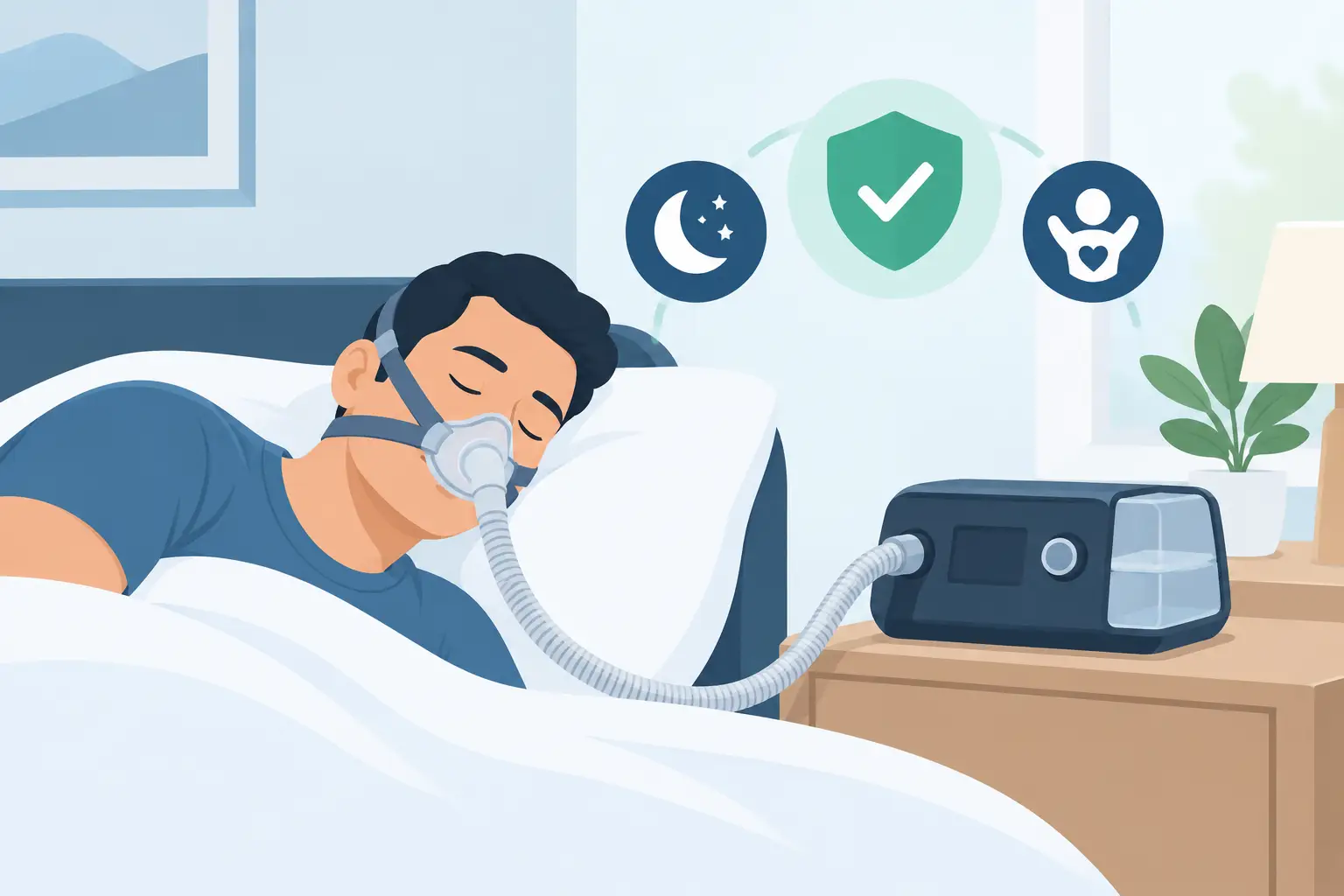
A CPAP machine can only support better breathing while you are wearing it. That is the practical answer to what is CPAP compliance: using your prescribed CPAP therapy consistently enough, and for long enough each night, to receive its intended benefit. For many people with sleep apnea, compliance starts as an insurance requirement but quickly becomes something more personal – waking with more energy, reducing disruptive snoring, and feeling safer and more rested during the day.
CPAP therapy can take an adjustment period. A mask may feel unfamiliar, pressure may seem noticeable at first, or dry air may interrupt sleep. Those challenges are common and usually solvable. The goal is not perfection on night one. It is finding a comfortable, sustainable routine that helps you breathe better and sleep deeper.
What Is CPAP Compliance?
CPAP compliance, also called PAP adherence, describes whether you use your prescribed positive airway pressure device as directed. Your device records therapy data, including how often you use it, how many hours you wear it, and sometimes information about mask leak and breathing events.
The most common compliance benchmark is using CPAP for at least four hours per night on 70% of nights during a consecutive 30-day period within the first 90 days of treatment. This standard is often associated with Medicare and is used by many insurers when they decide whether to continue covering a rental device or therapy supplies.
Four hours is a coverage threshold, not necessarily the ideal health target. Sleep apnea can occur anytime you sleep, including during the later hours of the night when REM sleep is more common. Whenever possible, aim to use your CPAP for your entire sleep period, including naps. Your sleep clinician can provide guidance based on your diagnosis, symptoms, and treatment plan.
Why Insurance Companies Track CPAP Use
Many insurance plans treat a CPAP machine as durable medical equipment. They may initially cover the machine on a rental basis, then require proof that you are using it before continuing coverage or converting the device to ownership. The exact rules vary by plan, so it is wise to check your benefits and documentation requirements early.
Your machine can usually transmit data through cellular connectivity, an SD card, or a secure compliance report. Depending on your provider and insurer, that report may be reviewed alongside a follow-up visit documenting that therapy is helping and that you plan to continue it.
If you fall short of a compliance requirement, it does not mean CPAP therapy has failed. It may mean you need to address a comfort issue or ask your provider what steps are needed to reestablish coverage. Acting early matters. Waiting until the compliance window is nearly over can make a manageable problem feel more stressful than it needs to be.
Compliance Is Not the Same as Effective Treatment
A machine can show four or more hours of use, yet treatment may still feel less comfortable or effective than expected. That is why hours alone do not tell the full story.
Mask leaks can wake you up, create dry eyes, or reduce the quality of therapy. A poorly fitted mask may leave marks on your face, while overtightening headgear can actually worsen leaks. Pressure settings, nasal congestion, mouth breathing, humidity settings, and worn supplies can also affect the experience.
Your CPAP data may include an apnea-hypopnea index, or AHI, which estimates breathing events during therapy. It may also show leak information and pressure trends. These numbers can be useful, but they should be interpreted in context. If you are still exhausted, waking often, or having trouble tolerating your therapy, contact your prescribing clinician or sleep-care team rather than trying to change prescribed settings on your own.
How to Make CPAP Compliance Easier
The most successful CPAP routine is usually the one that fits your real life. That can mean choosing a mask style that works with your sleeping position, adjusting humidity for your climate, or building a simple pre-bed routine that makes putting on your equipment automatic.
Start With the Right Mask Fit
Your mask is the part of CPAP therapy you feel most directly, so comfort matters. Nasal masks cover the nose, nasal pillow masks rest at the nostrils, and full-face masks cover both the nose and mouth. There is no single best choice for everyone.
If you breathe through your mouth during sleep, wake with a dry mouth, or frequently have nasal congestion, a full-face option may be worth discussing. If you feel claustrophobic or prefer minimal facial contact, nasal pillows may feel more approachable. Side sleepers may need a mask with a lower-profile frame or a pillow designed to accommodate their equipment.
Fit changes over time. Cushions soften, headgear stretches, and even a small change in facial contour or sleeping habits can affect the seal. Replacing worn mask components on schedule can help keep leaks and discomfort from gradually undermining your routine.
Use Humidity and Comfort Features Thoughtfully
Heated humidification can reduce dryness in the nose, throat, and mouth. If you wake congested or dry, increasing humidity gradually may help. If you notice water collecting in the tubing, often called rainout, lowering humidity slightly, warming the bedroom, or using heated tubing may improve comfort.
Many devices also offer a ramp feature that begins at a lower pressure and increases gradually as you fall asleep. This can be helpful for new users who feel overwhelmed by airflow at bedtime. Comfort settings should support consistent use, but persistent pressure discomfort deserves a conversation with your care team.
Build the Habit Before You Fall Asleep
Put your CPAP on at the same point in your bedtime routine each night. For example, after brushing your teeth and setting your alarm, fill the humidifier chamber if needed, check the mask cushion, and put the mask on before getting into bed.
Some people benefit from wearing the mask for short periods while awake, such as while reading or watching television. This low-pressure practice can make the sensation feel more familiar. If you remove the mask overnight without realizing it, do not view it as a setback. Put it back on when you wake up and continue working on the cause, whether it is leaks, dry air, pressure discomfort, or anxiety around the mask.
Keep Equipment Clean and Supplies Current
A clean mask cushion provides a more reliable seal and feels better against your skin. Follow the manufacturer’s instructions for routine cleaning, and allow parts to dry completely before use. Use distilled water in a humidifier chamber when recommended by the device manufacturer.
Pay attention to replacement needs. Filters can become clogged, tubing can develop wear, and cushions eventually lose their shape. Keeping essential replacement supplies available at home prevents a small equipment issue from turning into missed therapy nights. Affordable Sleep Solutions can help CPAP users find compatible replacement supplies and navigate the next steps when a prescription renewal is needed.
What to Do If You Are Struggling to Meet CPAP Compliance
Do not force yourself to tolerate pain, severe leaks, panic, or persistent sleep disruption just to reach an insurance number. Those issues deserve support. Start by identifying the pattern: Is the problem occurring when you first put the mask on, after a few hours, only when you roll onto your side, or when nasal congestion is worse?
Then bring that information to your sleep clinician, equipment provider, or respiratory care team. A mask refit, different cushion size, humidity adjustment, replacement part, or clinician-guided setting review may make a meaningful difference. People with ongoing nasal blockage may also need medical advice about treating the underlying cause.
If coverage is a concern, ask what data period your insurer uses, whether a follow-up appointment is required, and what happens if you do not meet the first compliance deadline. Clear answers can help you make decisions before coverage is affected.
A Better Night Starts With a Sustainable Routine
CPAP compliance is not a test of willpower. It is a measure of whether your treatment routine is working well enough for you to use it consistently. The four-hour, 70% benchmark may matter for insurance, but the bigger goal is comfortable therapy for every hour you sleep. Small adjustments, timely support, and equipment that fits your needs can turn CPAP from a nightly obstacle into a dependable part of restorative rest.