
 Featured Machines
 Travel CPAPs

 Most Popular Masks

 Tubes and Hoses
 Humidifier Chambers
 Machine Filters
 Power Cords
 Headgear
 Nasal Pillows
 Cushions and Seals


Choosing CPAP Masks: A Guide for Better Sleep

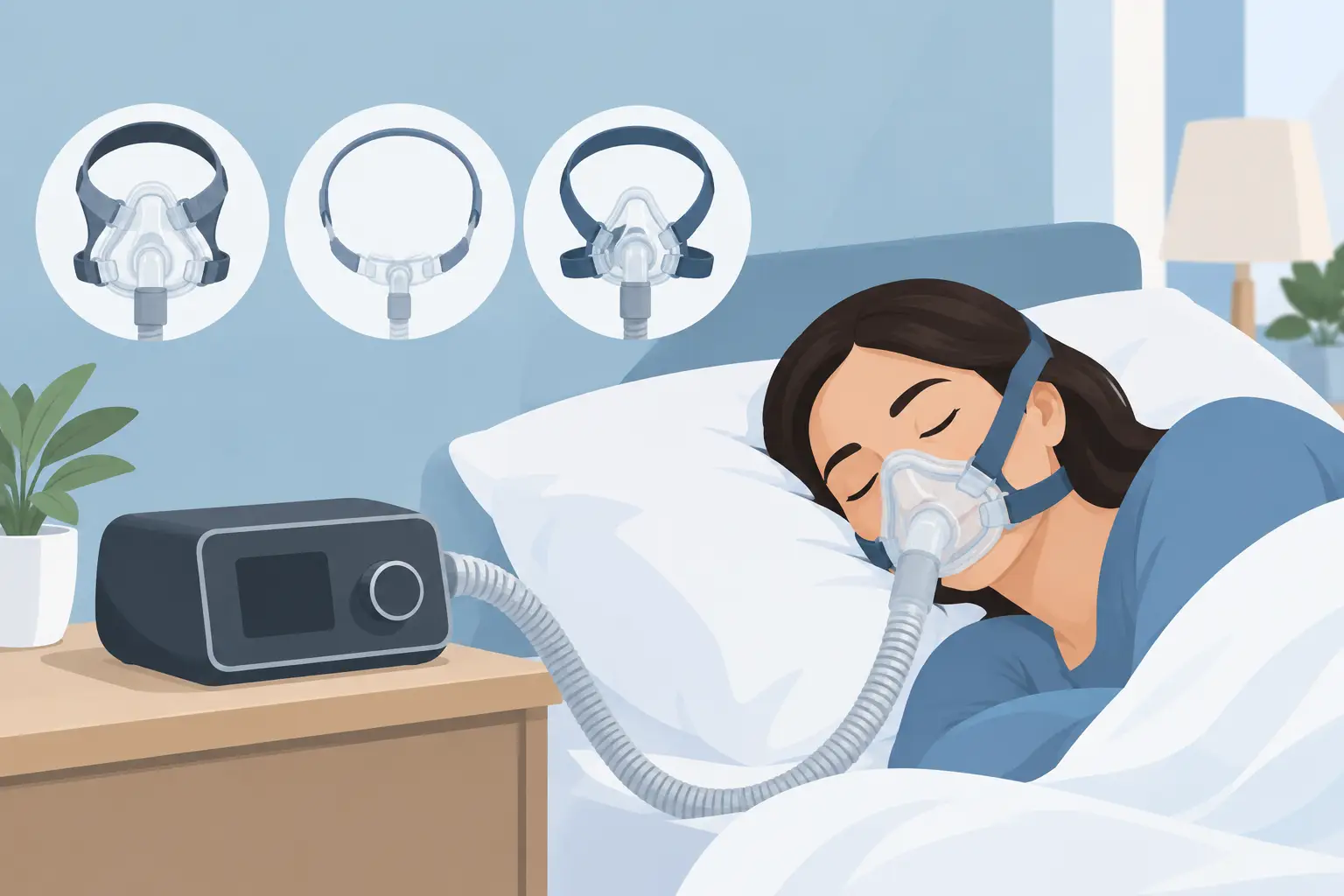
A CPAP machine can deliver the pressure your therapy requires, but the mask is where that treatment becomes personal. A mask that pinches, leaks, or feels confining can make even an advanced device hard to use consistently. This guide to choosing a CPAP mask can help you narrow the options based on how you breathe, sleep, and want to feel when you wake up.
The right fit is not about finding the most popular mask. It is about finding a style that creates a reliable seal with the least disruption to your comfort. When your mask works well, you can focus less on your equipment and more on breathing better, sleeping deeper, and waking up more refreshed.
Start With How You Breathe at Night
Your breathing habits are often the best place to begin. If you primarily breathe through your nose and do not feel claustrophobic with a small cushion beneath it, a nasal or nasal pillow mask may be a comfortable choice. These designs leave more of your face uncovered, which many side sleepers and readers appreciate.
If you regularly breathe through your mouth, wake with a dry mouth, or struggle with nasal congestion, a full face mask may provide a more dependable option. It seals around both the nose and mouth, so your therapy can continue even when your mouth opens during sleep. The trade-off is a larger footprint on the face and, for some people, a greater need to fine-tune the fit to prevent leaks.
A chin strap may help some nasal-mask users keep their mouth closed, but it does not work for everyone. If mouth leak continues despite adjustments, switching mask styles is often more comfortable than trying to force a nasal setup to work.
A Practical Guide to Choosing a CPAP Mask Style
Most CPAP masks fall into four main categories. Each can support effective therapy when it fits correctly and matches your needs.
- Nasal pillow masks rest at or just inside the nostrils. They are lightweight and minimal, making them a strong option for people who dislike having their face covered. At higher pressure settings, however, some users may notice nasal dryness or find the direct airflow takes time to get used to.
- Nasal masks cover the nose from the bridge to above the upper lip. They provide a familiar, balanced feel and typically offer more surface area for a stable seal than nasal pillows. They are a practical middle ground for many nose breathers.
- Full face masks cover the nose and mouth. They are often the best fit for habitual mouth breathers, people with frequent congestion, and users who need a secure seal at higher pressures. Their larger cushion can feel more noticeable, especially if you sleep on your stomach.
- Oral and hybrid masks use less traditional designs, such as an oral cushion paired with nasal pillows or a compact under-the-nose seal. These can be helpful for people who have tried standard masks without success, although fitting them may take more patience.
There is no universal “best” style. A nasal pillow mask that feels barely there for one person may be uncomfortable for someone with sensitive nostrils. A full face mask may feel reassuring to a mouth breather but too bulky for a person who sleeps face-down. Your sleep position, pressure needs, facial anatomy, and preferences all matter.
Fit Matters More Than Tightness
A common mistake for new CPAP users is tightening the headgear every time a leak appears. Too much tension can flatten the cushion, create pressure marks, and actually make leaks worse. Modern mask cushions are designed to inflate gently against your skin with airflow. They need contact, not excessive force.
Start with the manufacturer’s sizing guidance, then adjust the mask while lying down with your machine running. Your face changes shape when you recline, and a mask that seems secure while sitting up can leak once you settle into bed. Use your normal therapy pressure or the mask-fit feature on your device if available.
A good seal should feel stable without leaving deep red marks or causing pain. Small, occasional shifts can happen when you turn over. Repeated hissing, air blowing into your eyes, or frequent awakenings mean the fit needs attention. Before assuming you need a new mask, check whether the cushion is clean, the headgear is evenly adjusted, and the size is correct.
Match the Mask to Your Sleep Position
Side sleepers generally benefit from a lower-profile mask that does not press heavily into the pillow. Nasal pillows, under-the-nose nasal masks, and compact full face designs are often easier to accommodate than masks with a large frame over the forehead. A CPAP-friendly pillow with side cutouts may also reduce pressure on the mask and help protect the seal.
Back sleepers have more flexibility because the mask is less likely to be pushed sideways by the pillow. If you breathe through your mouth, this can make a traditional full face mask a particularly practical choice.
Stomach sleeping is more challenging with any CPAP mask, but it is not impossible. Minimal-contact nasal pillows or a compact hybrid design may offer the most room to position your face. You may need to adjust your pillow and hose routing to avoid pulling the mask when you turn.
Consider Pressure, Humidity, and Sensitive Skin
Your prescribed pressure can influence comfort, especially if you use higher settings or bilevel therapy. Higher airflow may expose small leaks more quickly, so a mask with a stable cushion and appropriate headgear becomes especially valuable. That does not automatically mean you need the largest mask available. It means the mask needs to seal consistently without over-tightening.
Dry nose, dry mouth, or congestion can also affect mask choice. Heated humidification can make therapy more comfortable by adding moisture to the airflow. If you use a nasal or nasal pillow mask and still wake with a dry mouth, mouth leak may be the issue rather than insufficient humidity. A full face mask could be worth considering if the pattern continues.
For sensitive skin, look for soft silicone cushions, fabric wraps for headgear contact points, or mask liners designed to reduce irritation. Facial hair can make a seal more difficult, particularly with full face masks that sit across the upper lip and cheeks. Some people can keep a close-trimmed beard and achieve a good seal; others do better with an under-the-nose cushion or a nasal pillow option. It depends on where the cushion contacts your skin.
Give Yourself a Real Adjustment Period
The first mask you try may be the right one, but it is normal to need a different size, cushion, or style. Give a properly fitted mask several nights when possible, rather than judging it after one restless evening. Wearing it for a few minutes while reading or watching television can make the sensation more familiar before bedtime.
Still, do not ignore ongoing discomfort. Persistent leaks, painful pressure points, panic, skin breakdown, or a mask you remove in your sleep are useful signals that something needs to change. Your therapy should feel manageable at home, not like a nightly battle.
Keep replacement timing in mind as well. Cushions and headgear gradually lose their ability to seal as they absorb facial oils and stretch with daily use. If a mask that once worked well suddenly starts leaking, worn supplies may be the reason. Cleaning the cushion as directed and replacing components when they show wear can restore comfort without requiring a completely new setup.
When to Ask for Extra Support
Contact your sleep care provider if you have ongoing mask problems, significant nasal blockage, new skin irritation, or trouble tolerating your prescribed pressure. They can help determine whether the issue is fit, settings, humidification, or another part of your treatment plan. Do not change prescribed pressure settings on your own simply to make a mask feel easier to wear.
If you need a replacement mask or want help comparing styles, Affordable Sleep Solutions can make the process easier with convenient access to CPAP equipment and support from home. Having the right prescription details, machine type, and current mask information ready can help you make a more confident choice.
Your mask should support your sleep, not distract from it. A comfortable seal, the right breathing style, and a little patience can turn CPAP therapy into a steadier part of your night – and give your mornings a better chance to feel like they should.