
 Featured Machines
 Travel CPAPs
 Most Popular Masks
 Tubes and Hoses
 Humidifier Chambers
 Machine Filters
 Power Cords
 Headgear
 Nasal Pillows
 Cushions and Seals

APAP Versus CPAP Therapy: Which Fits You?

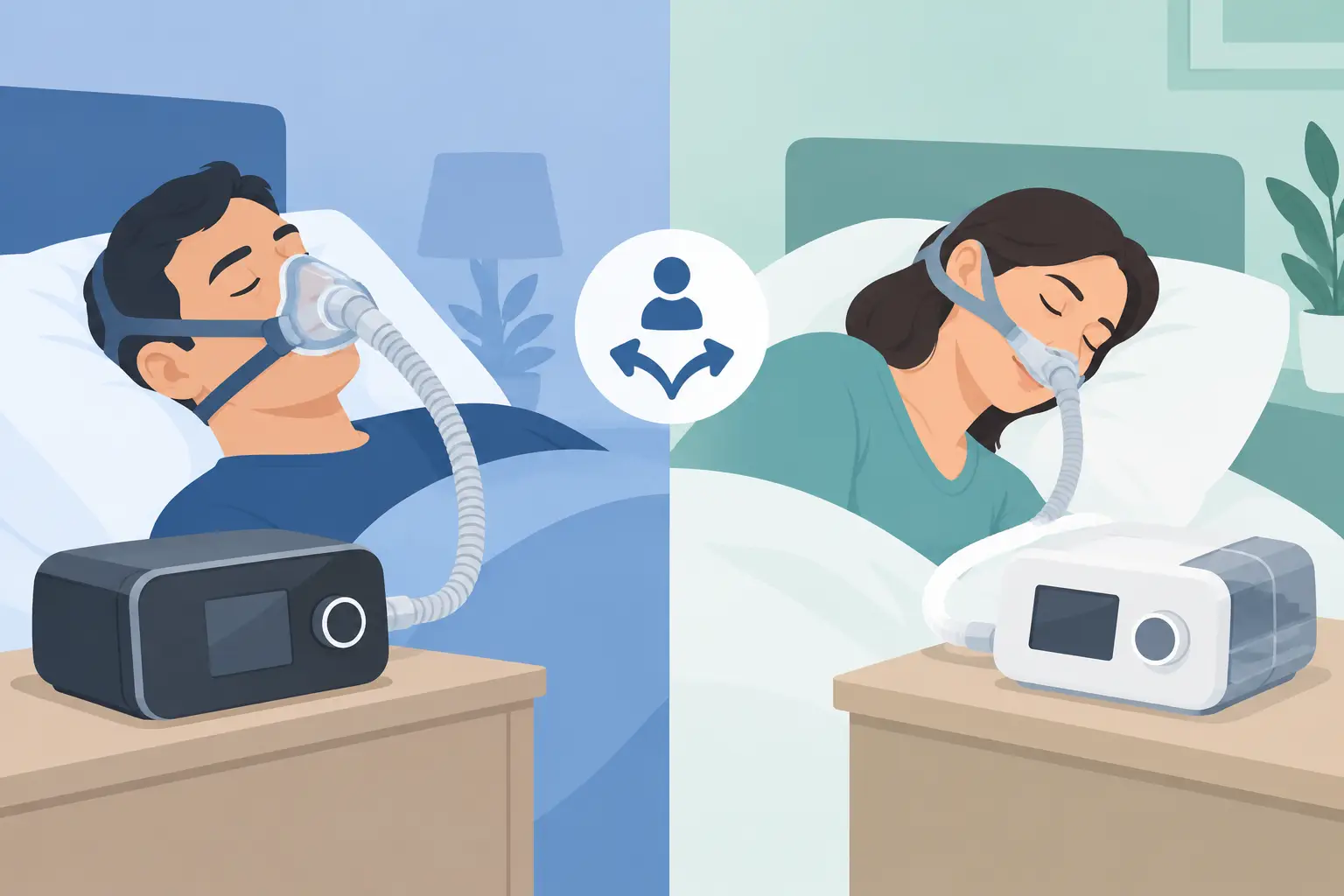
The pressure number on a PAP machine can feel like a small detail until it affects your sleep. If your mask feels uncomfortable, you wake with dry mouth, or you are unsure why your machine changes pressure, understanding APAP versus CPAP therapy can make treatment feel much more manageable. Both are effective options for obstructive sleep apnea, but they deliver pressure differently – and the better fit depends on your prescription, sleep patterns, comfort needs, and clinical guidance.
What CPAP Therapy Does
CPAP stands for continuous positive airway pressure. A CPAP machine delivers one fixed pressure throughout the night to help keep your upper airway open while you sleep. That steady airflow can prevent the pauses in breathing, loud snoring, and oxygen drops associated with obstructive sleep apnea.
The pressure is not chosen at random. A sleep clinician uses your sleep study results, symptoms, and therapy data to prescribe a setting intended to control breathing events effectively. For many people, a fixed pressure is simple, reliable, and highly comfortable once they have a properly fitted mask and enough time to adjust.
CPAP can be a particularly straightforward choice when your pressure needs are consistent night after night. There is no need for the device to search for a lower or higher setting because the prescribed pressure remains the same from the time you fall asleep until you wake up.
That consistency is also why some experienced PAP users prefer it. When the pressure feels familiar and their sleep apnea is well controlled, a fixed setting can provide a predictable therapy experience.
How APAP Therapy Adjusts Through the Night
APAP means automatic positive airway pressure. Instead of providing one fixed pressure, an APAP machine works within a clinician-prescribed minimum and maximum range. It monitors your breathing and can increase pressure when it detects signs that your airway may be narrowing, then reduce pressure when less support is needed.
This adjustment can be useful because pressure needs may change from one moment to the next. Sleeping on your back, entering REM sleep, nasal congestion, alcohol use, or changes in body weight can all affect how much pressure is needed to maintain an open airway.
For example, someone may need more pressure while sleeping on their back but much less while sleeping on their side. An APAP machine may respond to that change automatically, rather than delivering the higher pressure all night long.
Automatic adjustment does not mean an APAP device is a one-size-fits-all solution. The pressure range still needs to be set appropriately by a qualified provider. If the minimum is too low, the machine may take time to respond when events begin. If the range is too broad or the settings are not right for your breathing pattern, therapy may feel less comfortable or may not control events as well as it should.
APAP Versus CPAP Therapy: The Practical Differences
The main difference between these therapies is pressure delivery. CPAP delivers a single prescribed pressure, while APAP adjusts within a prescribed range. Both use the same basic goal: gentle, pressurized air that supports breathing and helps prevent airway collapse.
For comfort, there is no universal winner. Some people appreciate APAP because they spend part of the night at lower pressures. Others sleep better with CPAP because the steady pressure feels more predictable and avoids noticeable changes that can occur with automatic adjustment.
The right machine is also only one part of the comfort equation. A nasal mask, full face mask, or nasal pillow mask can dramatically change how therapy feels. Heated humidification may help relieve dry nose or throat, while climate-control tubing can reduce condensation and make airflow feel more comfortable. A well-fitted mask with clean, timely replaced cushions is often the difference between struggling with therapy and wearing it consistently.
When a Fixed CPAP Setting May Make Sense
CPAP may be a good fit if your prescribed pressure is stable and effective, or if you prefer a consistent sensation throughout the night. It can also be the right choice when your clinician wants closely controlled fixed-pressure treatment based on your sleep-study findings.
A CPAP machine may feel easier to understand for someone starting therapy. You turn it on, it reaches the prescribed pressure, and it supports your breathing. Features such as ramp settings, exhalation relief, quiet motors, and integrated humidification can still make a fixed-pressure device feel highly personalized.
When APAP May Be Helpful
APAP can be helpful for people whose pressure needs vary considerably with sleep position, sleep stage, or temporary congestion. It is also commonly used in certain at-home treatment pathways when a clinician determines automatic pressure adjustment is appropriate.
Some users find that APAP helps them tolerate therapy because they are not exposed to their highest needed pressure all night. That said, comfort is personal. If you are waking when pressure changes or feel that therapy is not as restful as expected, the answer may be a setting review, mask adjustment, humidification change, or discussion with your provider – not simply switching devices.
What Both Machines Have in Common
Whether you use CPAP or APAP, successful therapy depends on regular use and follow-up. Both types of machines record valuable therapy information, including usage time, mask leak, and breathing-event data. This information can help your provider identify problems before they become a reason to stop treatment.
Both therapies also require a valid prescription in the United States. A sleep study, virtual consultation, and prescription renewal process can help eligible patients move forward from home without adding unnecessary friction to care. If you already have a prescription but need a replacement device, confirm that it is current and that the prescribed machine type matches the equipment you plan to purchase.
Ongoing supplies matter, too. Masks, cushions, filters, tubing, humidifier chambers, and headgear wear down over time. A worn cushion can create leaks, while a clogged filter can affect airflow. Replacing supplies on a regular schedule supports cleaner, more comfortable therapy and helps your machine perform as intended.
Questions to Ask Before Choosing a PAP Machine
Rather than choosing based on the name alone, focus on what your prescription and daily routine require. Ask your provider whether your treatment calls for a fixed pressure or an automatic range. Review whether you have positional sleep apnea, frequent congestion, significant pressure changes in your therapy data, or difficulty tolerating a specific setting.
It is also worth considering practical features that support long-term use. If dry air is a problem, look for heated humidification. If you travel often, ask whether a compact travel PAP device suits your prescribed therapy. If you tend to remove your mask overnight, explore mask styles and comfort settings before assuming the pressure mode is the only issue.
People with certain breathing conditions, central sleep apnea, significant lung or heart conditions, or more complex PAP needs may require a different therapy approach. Do not change your prescribed pressure settings on your own. A clinician can review your symptoms and device data to determine whether CPAP, APAP, bilevel therapy, or another option is appropriate.
Making Therapy Easier to Maintain
The best PAP therapy is the one that effectively treats your sleep apnea and that you can use consistently. Give yourself time to adapt. Wear the mask while reading or watching television for a few minutes before bed, use the ramp feature if it helps you fall asleep, and address leaks early rather than trying to sleep through them.
If you are new to treatment, keep the first goal simple: use your machine every time you sleep, including naps when possible. If you have used PAP therapy for years but are no longer waking refreshed, do not assume you have to live with it. A review of your equipment, supplies, and prescription can reveal practical improvements.
Affordable Sleep Solutions can help eligible patients take the next step with convenient at-home sleep apnea services, prescription support, and the equipment needed to breathe better and sleep deeper. The right choice between APAP and CPAP starts with clinical guidance, then becomes easier with a machine setup that feels comfortable enough to use night after night.