
 Featured Machines
 Travel CPAPs

 Most Popular Masks

 Tubes and Hoses
 Humidifier Chambers
 Machine Filters
 Power Cords
 Headgear
 Nasal Pillows
 Cushions and Seals


HSA CPAP Eligibility and What Your Funds Cover

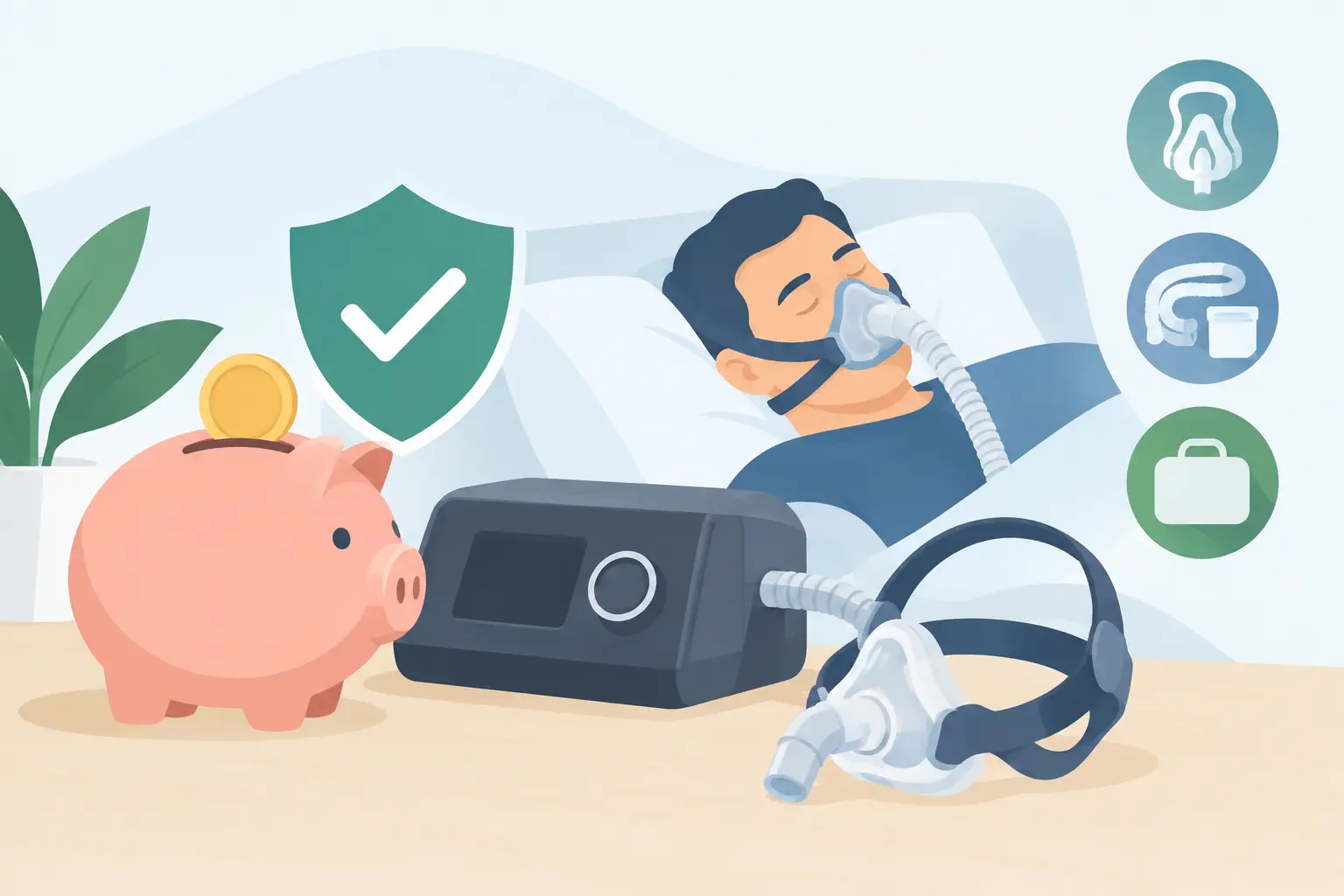
A CPAP machine can be one of the most meaningful purchases you make for your health, energy, and safety. Understanding HSA CPAP eligibility can make that purchase more manageable by letting you use pre-tax health savings funds for qualifying sleep apnea care and equipment.
For many people, the answer is straightforward: CPAP therapy is generally an eligible medical expense when it is used to treat a diagnosed medical condition, such as obstructive sleep apnea. The details still matter. Your HSA administrator, the type of item you are buying, and the documentation you keep can all affect how confidently you use your account.
What HSA CPAP eligibility usually includes
Health Savings Accounts are designed to pay for qualified medical expenses. Because CPAP therapy treats a medical condition rather than serving as a general wellness purchase, a prescribed CPAP, APAP, or bilevel machine will generally qualify for HSA spending.
That can include the machine itself, whether you are starting treatment for the first time or replacing an older device that is no longer meeting your needs. Auto-adjusting CPAP machines, travel CPAP devices, and bilevel machines may also qualify when they are prescribed for your sleep apnea treatment.
Your therapy does not end with the machine, and HSA-eligible purchases often extend to the supplies that help you use it comfortably and consistently. These may include a CPAP mask, headgear, cushions, nasal pillows, full-face mask seals, heated or standard tubing, replacement filters, humidifier chambers, and power cords made for your device.
The practical reason is simple: these items are part of maintaining prescribed treatment. A worn cushion that leaks, a stretched headgear strap, or a dirty filter can make therapy less effective and less comfortable. Replacing supplies on a reasonable schedule supports better breathing and deeper sleep.
Equipment that may qualify with your HSA
Most essential CPAP equipment is commonly purchased with HSA funds, but eligibility is tied to medical use. A useful rule of thumb is to ask whether the item is necessary to operate, maintain, or receive the benefits of your prescribed PAP therapy.
Commonly eligible purchases may include:
- CPAP, APAP, and bilevel machines
- Travel CPAP machines used for prescribed therapy away from home
- CPAP masks, frames, cushions, nasal pillows, and headgear
- Tubing, climate-control tubing, humidifier chambers, and filters
- Device-specific power supplies and replacement power cords
- Home sleep apnea tests and sleep-focused clinical services, when they meet qualified medical expense requirements
Some purchases deserve a closer look. CPAP cleaning machines, comfort products that are not directly required for treatment, extended warranties, shipping charges, and optional accessories may not be treated the same way as core therapy equipment. A product being sold alongside CPAP supplies does not automatically make it HSA-eligible.
If you are unsure, review the item description, save your receipt, and check with your HSA custodian or tax professional before paying. That extra step can prevent an avoidable tax issue later.
Why a prescription still matters
HSA eligibility and prescription requirements are related, but they are not identical. You may be able to use HSA funds for a qualified expense, while a seller may still need a valid prescription before it can dispense a CPAP machine or certain replacement equipment.
A prescription also creates a helpful paper trail. Keep a copy of your prescription, sleep study results if available, itemized receipts, and any explanation of benefits from your health plan. You do not usually submit this paperwork with every HSA card transaction, but you should retain it in case your account administrator or the IRS requests support for the expense.
If your prescription has expired, renewing it before you order can keep your therapy on track. For people who need a convenient path forward, Affordable Sleep Solutions offers online prescription renewal support, helping eligible customers continue treatment from home without unnecessary delays.
How to pay for CPAP equipment with HSA funds
You generally have two options. If the retailer accepts HSA cards, you can pay directly with your HSA debit card at checkout. This is often the simplest route because the purchase is paid from your available HSA balance right away.
The other option is to pay with a personal credit or debit card, then reimburse yourself from your HSA later. This can be useful if you want to compare payment methods, if your HSA card is not accepted, or if you want to complete an order promptly while sorting out account access.
Reimbursement is allowed only for qualified expenses incurred after your HSA was established. Keep in mind that an HSA cannot reimburse an expense that was already reimbursed by insurance, a flexible spending account, or another plan. You cannot receive a tax-free reimbursement twice for the same mask, machine, or service.
Before checking out, confirm your available HSA balance. Unlike a credit account, you can only spend funds that are already in the HSA when you make a direct payment. If you use personal funds first, you may reimburse yourself later after making additional HSA contributions, provided the expense occurred after the account was opened and you have adequate documentation.
HSA CPAP eligibility when insurance is involved
Insurance coverage and HSA eligibility are not the same question. Your health plan may cover part of a CPAP machine or supply order, apply a deductible, require a preferred supplier, or rent equipment before allowing a purchase. Your HSA can often help with your out-of-pocket costs, including deductibles, copays, and qualifying amounts insurance does not pay.
For example, if your plan covers 70% of a prescribed CPAP machine after your deductible, your HSA may generally be used for your 30% responsibility. If you decide to purchase a machine outside your insurance network because the price, availability, or service is better for your needs, HSA eligibility may still apply to the qualifying medical expense. However, your insurance may not reimburse that purchase.
This is where comparing the full cost matters. Insurance can be valuable, but a cash price paired with HSA funds may sometimes be the more affordable and straightforward option. Consider the machine price, deductible status, rental terms, replacement schedule, and whether you are receiving the exact mask and device features that make consistent therapy easier for you.
A simple recordkeeping routine
You do not need a complicated filing system. Create a digital folder for sleep apnea expenses and save each itemized receipt as you make a purchase. Include the purchase date, product name, amount paid, and payment method. Add your prescription and relevant clinical documents to the same folder.
For purchases involving insurance, keep the explanation of benefits as well. It shows what the plan paid and what remained your responsibility, which can be especially useful when you use HSA funds for a deductible or coinsurance amount.
Hold onto these records for as long as you may need to substantiate the expense. Tax rules and individual circumstances can vary, so your HSA administrator or qualified tax advisor is the right source for account-specific guidance.
Frequently asked questions about using an HSA for CPAP
Can I use my HSA for CPAP replacement supplies?
In many cases, yes. Replacement masks, cushions, tubing, filters, headgear, and humidifier chambers are typically connected directly to prescribed CPAP therapy. Save your receipts and maintain documentation showing that you use PAP treatment for a diagnosed condition.
Can I buy a travel CPAP with HSA funds?
A travel CPAP may qualify when it is used as part of your prescribed sleep apnea therapy. It is designed to help you continue treatment during work trips, vacations, family visits, or other nights away from home. Verify the specific item if you have any doubt.
Can I use HSA money for a home sleep test?
Diagnostic testing for a medical condition is commonly a qualified medical expense. A home sleep apnea test may be eligible when it is provided for medical evaluation, though service arrangements and account rules can differ. Confirm the details with your HSA provider before purchase.
What happens if I use HSA funds for a non-eligible item?
Non-qualified HSA distributions may be subject to income tax and an additional tax penalty, depending on your age and circumstances. When an item feels optional or unclear, it is better to verify eligibility before you pay.
Using HSA funds for prescribed CPAP therapy can reduce the financial friction of caring for your sleep apnea, but comfort should remain part of the decision. Choose equipment that fits your prescription, sleeping habits, and daily routine, then keep the records that let you focus on what matters most: breathing better and waking up ready for the day.