
 Featured Machines
 Travel CPAPs

 Most Popular Masks

 Tubes and Hoses
 Humidifier Chambers
 Machine Filters
 Power Cords
 Headgear
 Nasal Pillows
 Cushions and Seals


Top Sleep Apnea Warning Signs You Should Notice

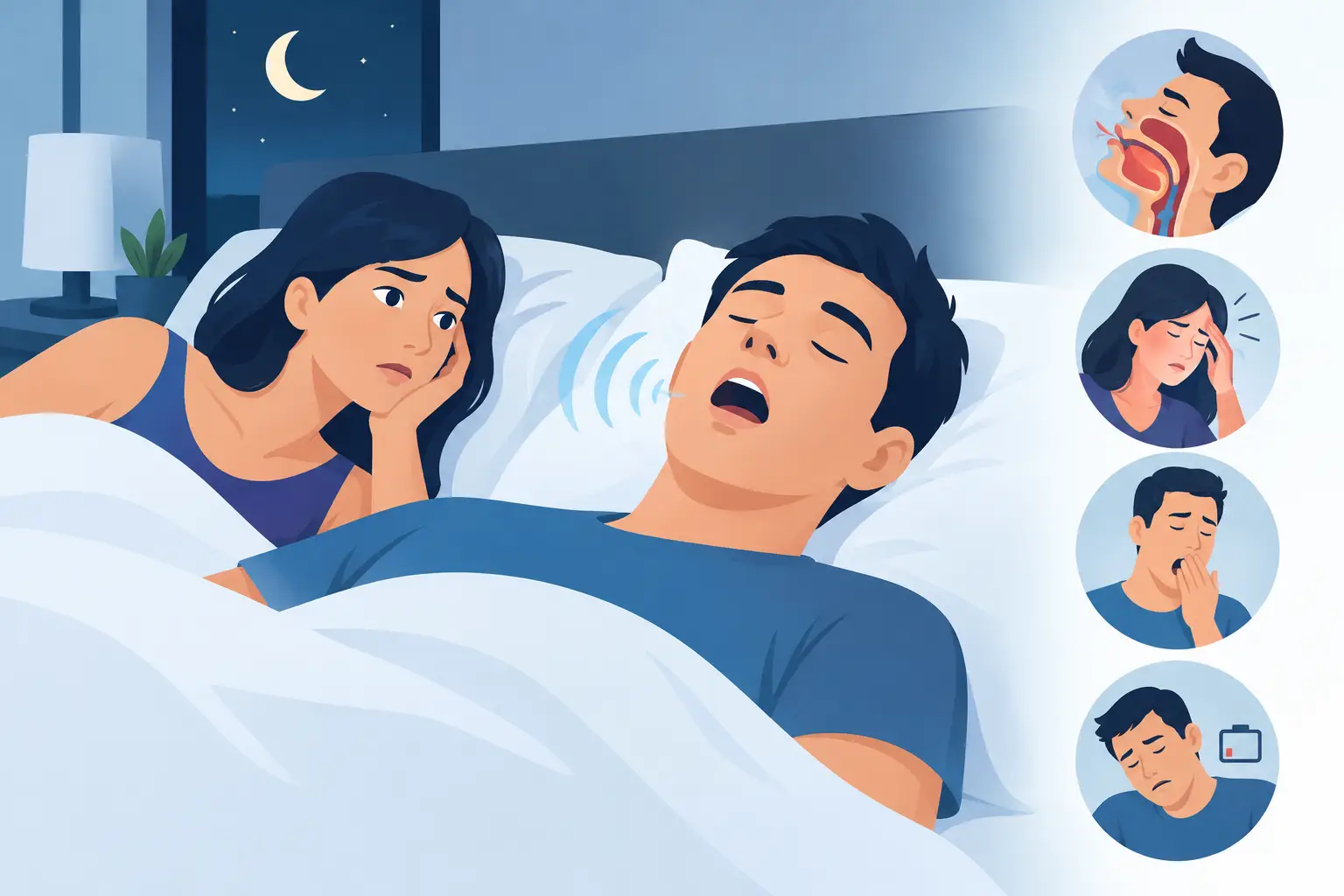
A partner may notice the problem first: loud snoring that suddenly stops, followed by a pause that feels too long and a sharp gasp for air. But the top sleep apnea warning signs are not limited to what happens in bed. They can show up in your energy, focus, mood, morning headaches, and even how safe you feel behind the wheel.
Obstructive sleep apnea happens when the airway repeatedly narrows or closes during sleep. Your body briefly wakes up to reopen it, often without you remembering. Those interruptions can occur many times in a night, leaving you short on restorative sleep even after spending enough hours in bed.
Snoring and fatigue are common for many reasons, so one symptom alone does not confirm sleep apnea. The pattern matters. If several signs are showing up, especially alongside witnessed breathing pauses, an at-home sleep assessment may be a practical next step.
Top Sleep Apnea Warning Signs to Watch For
Loud, frequent snoring
Not everyone who snores has sleep apnea, and not everyone with sleep apnea snores loudly. Still, regular snoring is one of the most familiar signs of obstructive sleep apnea, particularly when it is disruptive, worsening, or paired with choking, snorting, or gasping.
Pay attention to changes. Snoring that began after weight changes, alcohol use near bedtime, nasal congestion, or a new medication may improve when those factors are addressed. But if it happens most nights and leaves you or your bed partner exhausted, it deserves more than a shrug.
Witnessed pauses in breathing, gasping, or choking
A bed partner may describe a repeating cycle: snoring, silence, then a gasp, snort, or sudden breath. This is one of the clearest warning signs because it can reflect a blocked airway during sleep.
You may not remember these events yourself. Many people with sleep apnea wake only briefly enough to resume breathing, then fall back asleep. That is why feedback from a partner, family member, or roommate can be valuable when deciding whether to seek testing.
Waking unrefreshed, even after enough time in bed
Eight hours in bed does not always equal eight hours of restorative sleep. Repeated breathing interruptions can fragment sleep and reduce the time your body spends in deeper sleep stages.
You might wake feeling as though you barely slept, hit snooze repeatedly, or need a long time to feel alert. This can be especially frustrating for people who have already tried improving their bedtime routine and still wake drained.
Daytime sleepiness that interferes with life
Dozing during meetings, nodding off while watching television, or fighting to stay awake in the afternoon is not always just a busy schedule. Excessive daytime sleepiness can be a sign that your sleep is being interrupted throughout the night.
This symptom has real safety implications. If you feel sleepy while driving, operating equipment, or caring for someone else, take it seriously. Pull over or stop the activity when needed, and arrange prompt medical guidance rather than trying to power through fatigue.
Morning headaches or waking with a dry mouth
Morning headaches can have many causes, including dehydration, teeth grinding, migraine, or medication effects. With sleep apnea, they may occur because disrupted breathing affects sleep quality and oxygen levels. They often improve after you have been awake for a while.
A dry mouth or sore throat on waking may also point to mouth breathing, snoring, or airflow problems during sleep. Nasal congestion can contribute, but persistent symptoms alongside loud snoring and fatigue are worth discussing with a clinician.
Trouble concentrating, irritability, or low mood
Poor sleep does not always feel like sleepiness. For some people, it looks like brain fog, missed details, slower recall, impatience, or feeling emotionally worn down by midday.
Sleep apnea is not the only explanation for these changes. Stress, depression, thyroid concerns, anemia, and many other conditions can affect energy and concentration. Still, when mental sharpness changes alongside nighttime breathing symptoms, sleep should be part of the conversation.
Frequent nighttime urination
Waking several times to use the bathroom can be related to fluid intake, certain medications, prostate or bladder concerns, diabetes, and other health issues. It can also occur with untreated sleep apnea. Breathing disruptions can trigger body responses that increase nighttime urine production.
The useful question is not simply whether you wake up once. It is whether frequent bathroom trips are new, disruptive, and happening with snoring, gasping, or daytime exhaustion.
High blood pressure or heart-related concerns
Sleep apnea and cardiovascular health are closely connected. Repeated drops in oxygen and abrupt awakenings can put stress on the body, and untreated obstructive sleep apnea is often seen in people with high blood pressure.
If you have high blood pressure that has been difficult to manage, atrial fibrillation, heart disease, or a history of stroke, ask your healthcare professional whether sleep apnea screening makes sense. This is not a reason to self-diagnose, but it is a strong reason not to ignore nighttime breathing symptoms.
Who May Need Sleep Apnea Screening Sooner?
Sleep apnea can affect adults of many body types, ages, and genders. It is more common with factors such as excess weight, a larger neck circumference, family history, nasal obstruction, alcohol or sedative use near bedtime, smoking, and menopause. Anatomy also matters. A small jaw, enlarged tonsils, or a naturally narrow airway can raise risk independent of weight.
Men are diagnosed more often, but women may experience symptoms differently or have them dismissed as insomnia, fatigue, anxiety, or hormonal changes. Older adults can also assume tiredness is simply part of aging. It is not necessary to fit a stereotype to deserve answers.
Children can have sleep apnea too, but their symptoms and testing needs differ from those of adults. If you are concerned about a child’s breathing during sleep, speak with their pediatric healthcare provider rather than using an adult testing path.
When a Home Sleep Test May Be a Good Next Step
For many adults with suspected obstructive sleep apnea, a home sleep apnea test offers a private, convenient way to gather useful information from their own bed. It can be a good fit when symptoms strongly suggest obstructive sleep apnea and there are no complex medical factors that require a more comprehensive in-lab study.
A home test is not right for every situation. Your clinician may recommend an in-lab sleep study if you have certain heart, lung, neurologic, or sleep-related conditions; use opioid medication; or have symptoms that could indicate another sleep disorder. A negative home test does not always rule out sleep apnea if your symptoms remain strong.
The advantage of starting at home is straightforward: less friction between concern and action. A virtual consultation can help determine whether home testing is appropriate, while keeping the process focused, private, and manageable.
What to Do After a Sleep Apnea Diagnosis
A diagnosis is not a judgment, and treatment does not have to mean a complicated routine. Positive airway pressure therapy, commonly called CPAP or APAP therapy, uses gentle air pressure to help keep the airway open while you sleep. Many modern devices automatically adjust pressure within a prescribed range, and features such as heated humidification and climate-control tubing can make therapy more comfortable.
The best setup depends on your prescription, sleep position, breathing habits, and comfort preferences. Some people prefer a minimal nasal pillow mask, while others need a full-face mask because they breathe through their mouth. Small fit adjustments can make a meaningful difference, so do not assume treatment has failed if the first mask is not the right one.
For people who already use PAP therapy, worn cushions, stretched headgear, clogged filters, or an aging machine can quietly affect comfort and performance. Replacing eligible supplies on schedule and reviewing prescription needs can help keep therapy feeling easier to maintain.
If the warning signs sound familiar, you do not need to wait for another exhausted morning to take them seriously. Affordable Sleep Solutions offers a convenient path to explore home sleep testing, prescription support, and equipment options from home. Better breathing at night can start with a clear next step – one that supports safer days and deeper, more restorative rest.