
 Featured Machines
 Travel CPAPs

 Most Popular Masks

 Tubes and Hoses
 Humidifier Chambers
 Machine Filters
 Power Cords
 Headgear
 Nasal Pillows
 Cushions and Seals


When to Replace CPAP Cushions: 7 Clear Signs

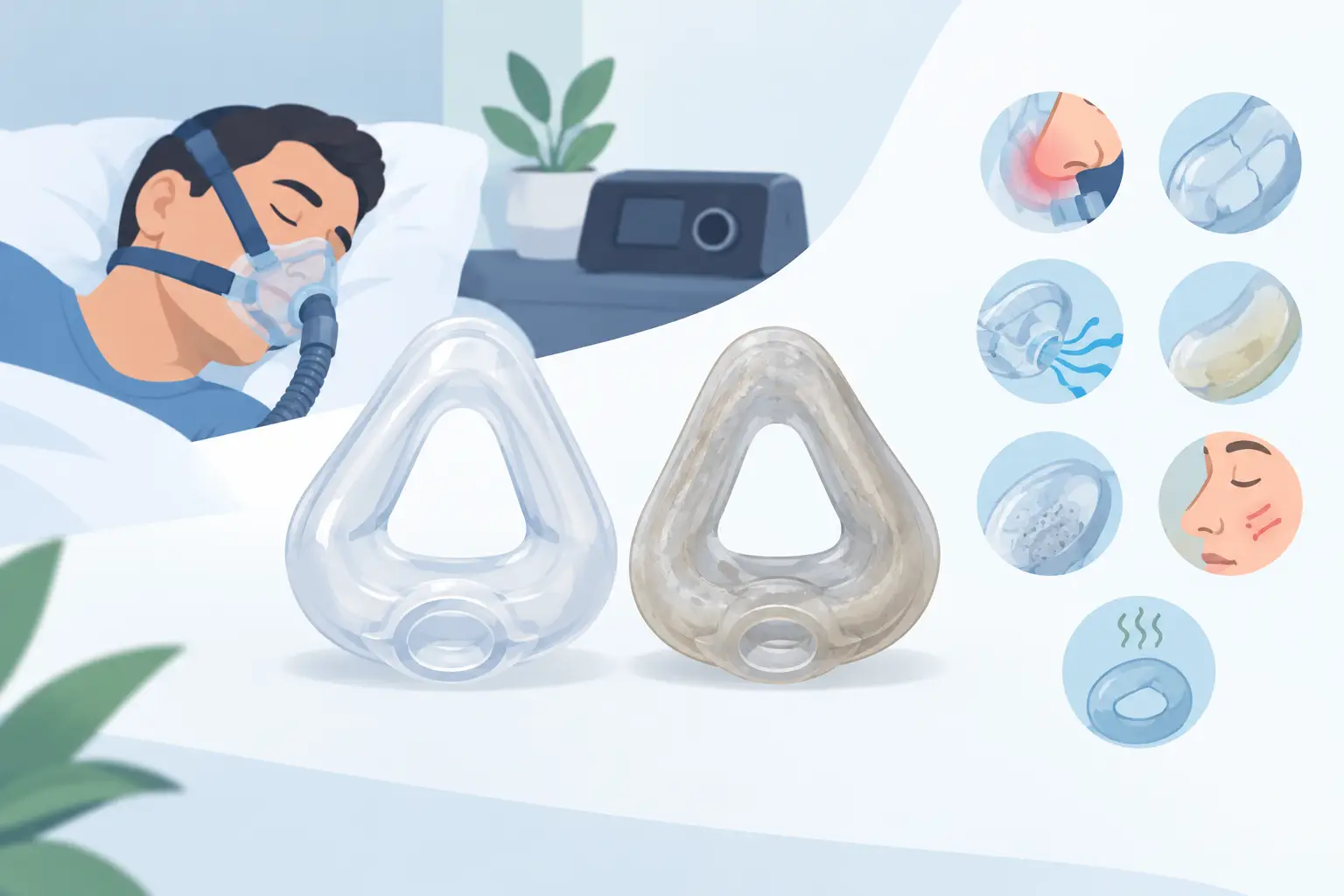
A CPAP cushion may look like a small part of your setup, but it does a big job every night. It creates the seal between your mask and your face, helping prescribed pressure reach your airway comfortably. If you are wondering when to replace CPAP cushions, start with the way your therapy feels: new leaks, louder air flow, skin irritation, or a mask that suddenly needs to be tightened are often your first clues.
A worn cushion can turn a mask you once liked into one that interrupts sleep. The good news is that replacing this regular-use part is simple, usually affordable, and can make your CPAP therapy feel much more comfortable again.
When to Replace CPAP Cushions
For many CPAP users, a cushion lasts about one to three months. Your personal timeline can be shorter or longer based on the mask model, how often you use it, your skin oils, cleaning routine, facial hair, and whether you use skincare products before bed. Some insurance plans also follow a more frequent replacement schedule, so it can help to check your coverage.
Rather than waiting for a set date on the calendar, inspect your cushion regularly and pay attention to changes in your sleep. A cushion should feel soft, flexible, and able to seal with gentle contact. It should not require you to overtighten your headgear or keep adjusting your mask throughout the night.
1. Your mask starts leaking more often
A little air movement can happen when you shift positions, especially with a full face mask. Persistent leaks are different. If air is blowing toward your eyes, waking your bed partner, or causing your device to report higher leak levels than usual, the cushion may no longer be sealing properly.
Before replacing it, make sure the cushion is seated correctly in the frame and that your headgear has not stretched out. Wash the cushion with mild soap and water, let it air-dry completely, and try again. If leaks continue despite a correct fit, replacement is often the practical next step.
2. The silicone feels stiff, tacky, cloudy, or misshapen
Fresh silicone cushions are soft and flexible. Over time, natural skin oils, heat, humidity, and repeated washing can change the material. You may notice a shiny film that does not wash away, a stiff edge, discoloration, tiny cracks, or a cushion that no longer holds its original shape.
These changes can affect both comfort and seal quality. Do not try to extend the life of a damaged cushion with tape, adhesive, or household cleaners. Those fixes can irritate your skin and interfere with the mask’s performance.
3. You have to tighten the mask more than before
A properly fitting mask should be secure but not painfully tight. When a cushion wears down, many people respond by pulling the headgear tighter. That can leave deep marks, create pressure on the bridge of the nose, and sometimes make leaks worse by distorting the cushion.
If the same mask now needs much tighter straps to stay in place, inspect the cushion first. If the cushion is still in good condition, the headgear may be stretched or the mask style may no longer be the best fit for your sleep position and facial contours.
4. You wake with red marks, soreness, or skin irritation
Pressure marks that fade soon after you get up can be normal. Ongoing redness, tenderness, blisters, or broken skin are not something to push through. A worn cushion can create uneven pressure, while leaks can dry and irritate the skin around your nose or mouth.
Clean the cushion daily if possible, especially where it touches your face. Avoid heavy moisturizers, oils, and makeup before putting on your mask because they can affect the seal and break down silicone more quickly. If irritation continues after replacing the cushion and adjusting fit, speak with your healthcare provider or sleep care team. You may need a different size, mask design, or comfort accessory.
5. Your therapy feels less comfortable or less effective
A cushion does not directly change your prescribed pressure setting, but a poor seal can make therapy less consistent. You may notice dry eyes, a dry mouth with a full face mask, more frequent awakenings, or the feeling that you are working against the mask instead of resting with it.
Check your machine’s leak information if your device provides it. A sudden change can point to a worn cushion, though it may also mean a loose connection, damaged tubing, an open mouth while using a nasal mask, or a change in how you sleep. It depends on the pattern. Replacing a cushion is a sensible first step when it is due, but it should not be used to ignore persistent therapy concerns.
6. Your mask makes new noises
Whistling, fluttering, or a rushing sound around the seal can be frustrating when you are trying to fall asleep. Sometimes the answer is as simple as reseating the cushion or removing a bit of lint from the vent area. If the noise returns night after night, the cushion may have lost the smooth contact it needs to seal.
Inspect the connection points as well. A torn or warped cushion should be replaced promptly rather than used until it fails completely.
7. You cannot remember the last time you changed it
This is more common than most people realize. CPAP supplies wear gradually, so it is easy to adapt to a less comfortable seal without noticing. If your cushion has been in use for several months and you are unsure of its age, replacing it can be an easy reset for your routine.
Consider writing the replacement date on your supply box, adding a phone reminder, or keeping one backup cushion at home. Having a spare means you do not have to compromise your therapy when you notice a problem at bedtime.
How to Help Your CPAP Cushion Last
Regular care can support a better seal and may help you get the expected lifespan from your cushion. Wash it according to the manufacturer’s instructions, usually with warm water and a mild, fragrance-free soap. Rinse thoroughly and allow it to air-dry away from direct sunlight or heat.
Avoid alcohol, bleach, harsh disinfectants, and strong scented soaps unless the manufacturer specifically says they are safe. These products can damage silicone and leave residue that irritates sensitive skin. It is also wise to handle the cushion by its sturdier edges instead of stretching the thin sealing area.
A clean face helps, too. Washing away facial oils before bed can improve the seal without overtightening the mask. If you use a beard or mustache, you can still have successful CPAP therapy, but you may need more frequent cushion checks or a mask style designed to work with facial hair.
Cushion Replacement Is Not the Same as Replacing the Whole Mask
The cushion is the soft silicone, gel, or foam component that rests against your face. The mask frame, elbow, clips, and headgear are separate parts with different replacement needs. Replacing only the cushion when it is worn can be a cost-conscious way to restore comfort without buying an entire mask.
That said, a new cushion cannot correct every issue. If your frame is cracked, your headgear no longer holds its adjustment, or your mask has never felt right, it may be time to review the complete setup. A different mask size or style can make a meaningful difference in your ability to use therapy consistently.
A Simple Check Before Bed
Take a moment once a week to look at your cushion in good light. Check for residue, tears, stiff edges, flattening, and changes in how easily it seals. Then put the mask on with your normal sleeping position in mind, not just while sitting upright.
Comfort is not a luxury in sleep apnea treatment. It is part of what helps you keep using the therapy that supports better breathing and more restorative sleep. When your cushion starts asking for extra adjustments, tighter straps, or more patience than usual, a fresh replacement may be the small change that helps your night feel easier again.