
 Featured Machines
 Travel CPAPs
 Most Popular Masks
 Tubes and Hoses
 Humidifier Chambers
 Machine Filters
 Power Cords
 Headgear
 Nasal Pillows
 Cushions and Seals

Can CPAP Stop Snoring? What to Expect

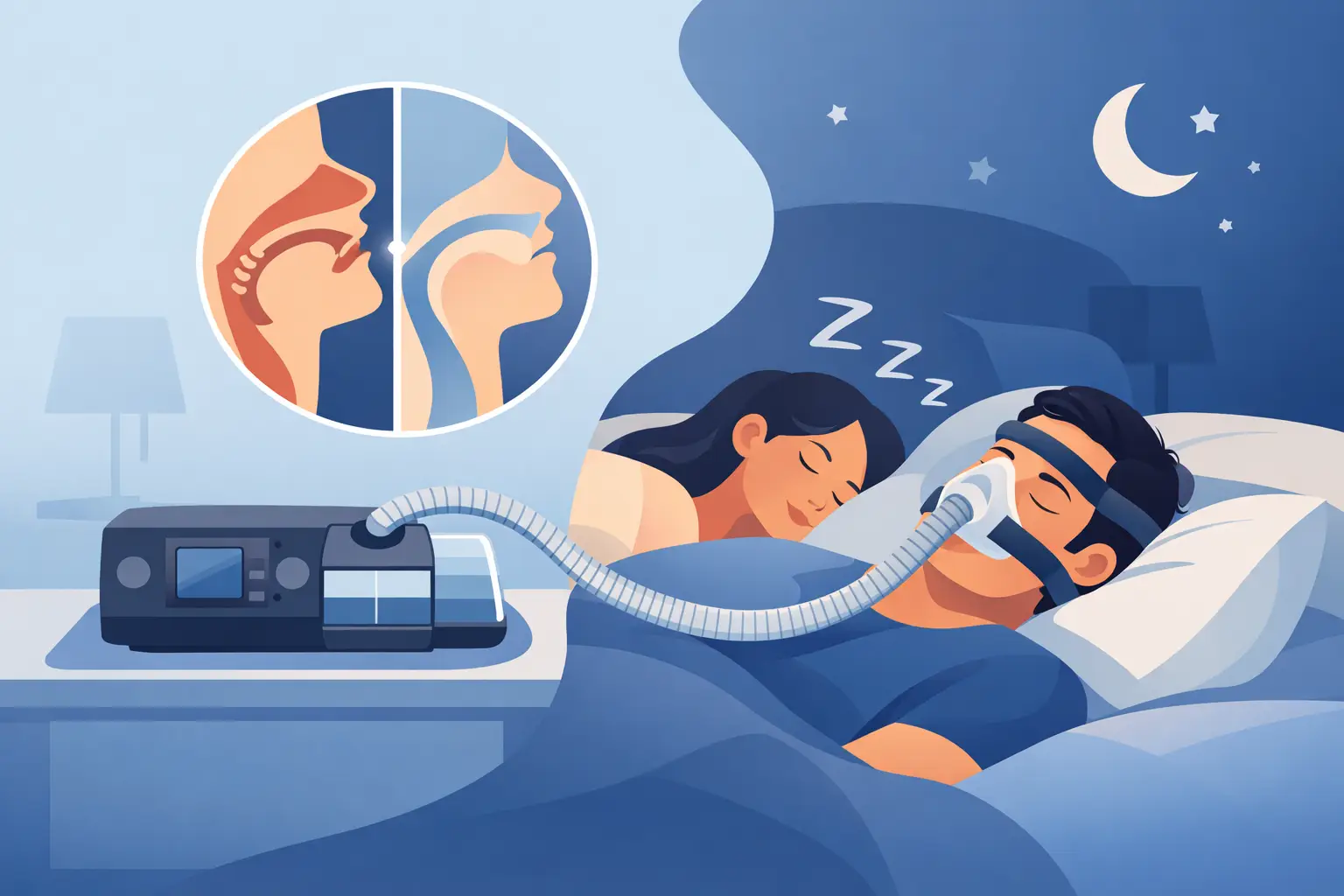
A bed partner nudging you awake because of snoring is frustrating. Waking up with a dry mouth, headache, or the feeling that sleep did not restore you is more concerning. If obstructive sleep apnea is behind those loud nights, can CPAP stop snoring? For many people, yes – often quickly. But CPAP is designed to do more than make the bedroom quieter. It helps keep your airway open so you can breathe more steadily while you sleep.
Can CPAP Stop Snoring?
CPAP, or continuous positive airway pressure, can greatly reduce or eliminate snoring caused by obstructive sleep apnea. The machine delivers a gentle stream of pressurized air through a mask. That airflow supports the soft tissues in the throat that can relax, narrow the airway, and vibrate during sleep.
Snoring is the sound of air moving through a partially restricted airway. With obstructive sleep apnea, that restriction may become severe enough to cause repeated breathing pauses. CPAP helps prevent those collapses, which is why many users and their partners notice quieter sleep once therapy is working consistently.
The key word is consistently. A CPAP machine only treats your breathing while you are wearing it. Falling asleep without the mask, removing it halfway through the night, or using a mask that leaks can allow snoring and apnea events to return.
Why CPAP Helps With Sleep Apnea Snoring
During sleep, the muscles of the tongue, palate, and throat naturally relax. In someone with obstructive sleep apnea, the airway may become too narrow to move enough air freely. The body briefly arouses to reopen it, sometimes dozens of times each hour, even if the person does not remember waking up.
CPAP pressure acts like an air splint. It does not force you to breathe or change the anatomy of your airway permanently. Instead, it provides enough pressure to keep the airway from collapsing while you sleep. When air can move smoothly, the tissue vibration that creates snoring often decreases.
This is why CPAP therapy can support benefits that go beyond a quieter room: more stable breathing, fewer sleep interruptions, better daytime alertness, and a more restorative night. Results vary from person to person, especially during the adjustment period, but effective treatment addresses the underlying airway problem rather than simply masking the sound.
When Snoring May Continue Despite CPAP
Hearing some snoring after starting CPAP does not automatically mean treatment has failed. It is a useful signal to check how the therapy is working. A few common issues can be responsible.
Mask leaks can reduce effective therapy
A mask leak may create its own noise, or it may prevent enough pressure from reaching your airway. Leaks often happen when a cushion is worn out, the headgear is too loose or too tight, or the mask style is not a comfortable match for your sleep position and facial shape.
If you wake with air blowing toward your eyes, notice a whistling sound, or see high leak readings in your device data, it is worth reviewing mask fit. Replacing cushions, seals, and headgear on schedule can help maintain a dependable seal and a more comfortable night.
Your pressure settings may need review
CPAP pressure is prescribed based on your sleep study and clinical needs. If the pressure is not adequately treating airway collapse, snoring or breathing events can persist. Auto-adjusting PAP devices can respond to changing pressure needs throughout the night, while fixed-pressure CPAP delivers one prescribed setting.
Do not change prescribed settings on your own. Contact a qualified sleep care provider if you continue to snore, feel excessively tired, or see concerning therapy data. A review can help determine whether your settings, mask, or overall treatment plan need adjustment.
Nasal congestion can make therapy harder
Seasonal allergies, a cold, chronic congestion, or nasal dryness can make it difficult to breathe comfortably through the nose. Some people then open their mouths during sleep, which can lead to mouth leaks and renewed snoring.
Heated humidification may ease dryness and improve comfort for many users. Depending on your needs, a nasal mask, nasal pillows, chin strap, or full-face mask may also be part of the conversation. The right choice depends on how you naturally breathe at night, not simply on which mask looks smallest or easiest.
Not all snoring has the same cause
CPAP is highly effective for obstructive sleep apnea when used as prescribed, but not every person who snores has sleep apnea. Alcohol close to bedtime, sleeping on your back, nasal obstruction, certain medications, and weight changes can all contribute to snoring. CPAP should not be started solely to treat ordinary snoring without an appropriate evaluation and prescription.
If snoring occurs alongside gasping, choking, witnessed breathing pauses, morning headaches, high blood pressure, or daytime sleepiness, a sleep apnea assessment is especially worthwhile. A home sleep apnea test may be a convenient first step for many eligible adults.
How to Get Better Results From CPAP
Comfort is not an extra feature of therapy – it is what makes regular use possible. The goal is to make CPAP part of your normal sleep routine, not something you tolerate for a few hours when you are already exhausted.
Start by wearing the mask while you are awake for short periods. Read, watch television, or relax with the machine running so the sensation becomes familiar without the pressure of trying to fall asleep. Then use it every time you sleep, including naps. Consistent use gives your body time to adapt and gives your care team more useful data if troubleshooting is needed.
Pay attention to basic equipment care. Clean the mask cushion regularly as directed, empty and refill the humidifier chamber with appropriate water, and inspect tubing for damage. Filters, cushions, tubing, and headgear wear down over time. A replacement schedule is not just about keeping supplies fresh – it can help preserve mask seal, airflow, and comfort.
Your sleeping position can matter, too. Some people experience more airway obstruction while lying on their back. CPAP should still provide treatment in any position, but side sleeping may improve comfort or reduce the pressure needed for certain users. If you travel, a compact travel CPAP and dependable power planning can make it easier to avoid gaps in therapy.
What to Do If Your Partner Still Hears Snoring
First, identify the sound. A small amount of noise may come from the mask vent or tubing rather than your throat. Modern CPAP devices are generally quiet, but normal airflow is still audible in a very quiet room. A loud, persistent snore from the sleeper is different and deserves attention.
Check that the mask is positioned correctly and that the machine, tubing, and humidifier connections are secure. Review the device’s leak and usage information if it provides it. If the issue continues for more than a few nights, reach out to your sleep provider rather than simply tightening the mask or stopping therapy.
Bring specific details to that conversation: when the snoring occurs, whether you are removing the mask, whether nasal congestion is present, and whether you feel rested during the day. Those details can help guide a productive adjustment. If your prescription has expired, online prescription renewal may offer a practical path to maintaining access to the supplies and equipment you need.
CPAP Is About Better Breathing, Not Just Less Noise
A quieter bedroom can be a meaningful and welcome result of CPAP therapy. For partners, it may mean uninterrupted sleep. For the person using CPAP, it can be an early sign that the airway is staying open more effectively.
Still, the real measure of success is not silence alone. It is treatment that is comfortable enough to use night after night and effective enough to support healthier, deeper sleep. With the right prescribed settings, a well-fitting mask, and timely supply replacement, CPAP can turn snoring from a nightly disruption into a problem you are actively treating from home.