
 Featured Machines
 Travel CPAPs

 Most Popular Masks

 Tubes and Hoses
 Humidifier Chambers
 Machine Filters
 Power Cords
 Headgear
 Nasal Pillows
 Cushions and Seals


Sleep Apnea Symptoms You Shouldn’t Ignore

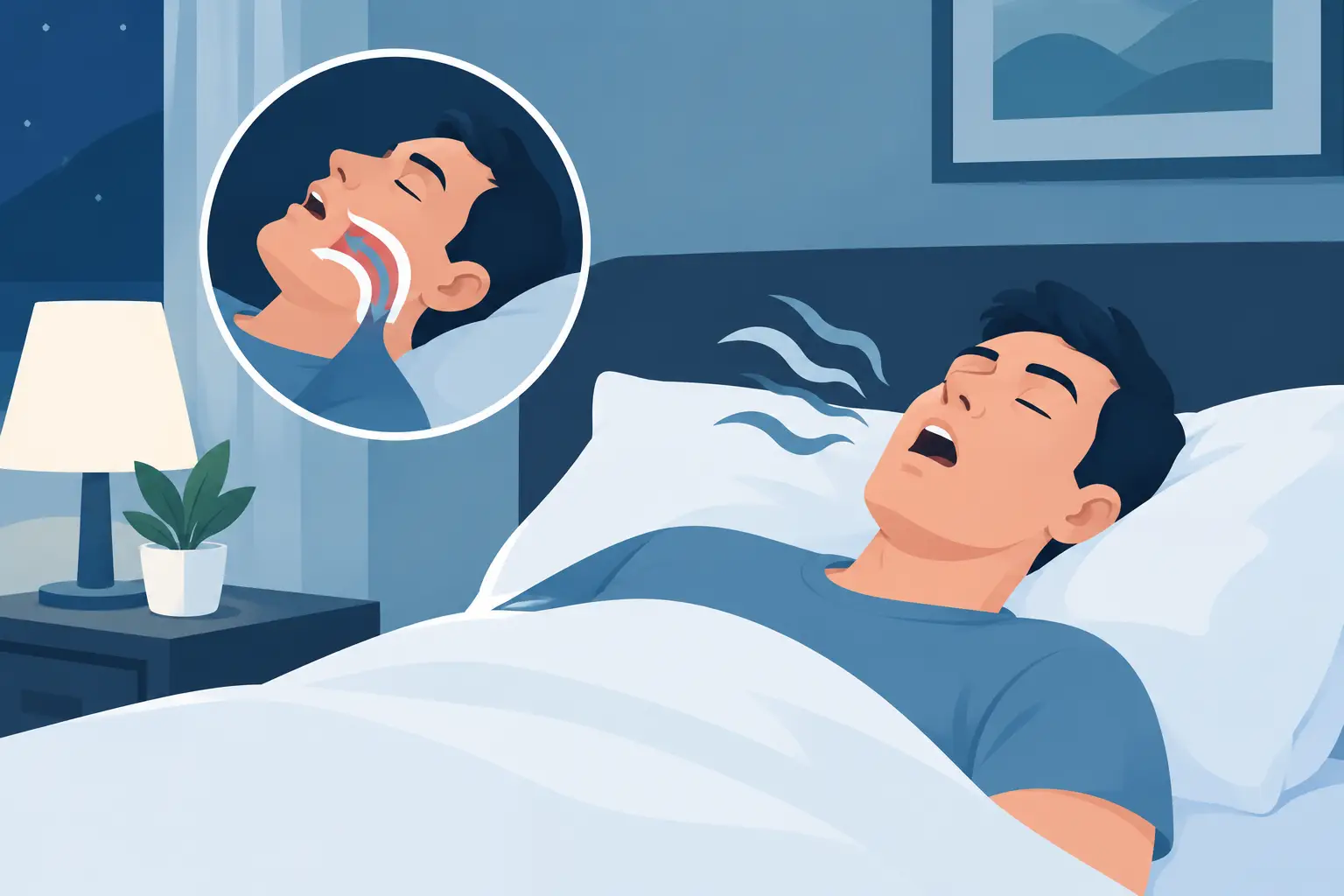
If someone has ever nudged you awake because you stopped breathing, that is more than ordinary snoring. Sleep apnea symptoms can be easy to dismiss at first, especially when fatigue feels like a normal part of work, family life, or getting older. But repeated breathing interruptions can leave you feeling worn down long before you realize what is happening at night.
Obstructive sleep apnea, the most common form, occurs when the airway narrows or closes during sleep. Your brain briefly wakes you enough to reopen it, often without you remembering the interruption. Those repeated disruptions can affect oxygen levels, sleep quality, daytime alertness, and long-term health. The good news is that sleep apnea can be evaluated and treated from home with a clear, practical path forward.
Sleep Apnea Symptoms at Night
Loud, frequent snoring is often the sign people notice first. Not everyone who snores has sleep apnea, but snoring that includes pauses, gasping, choking, or sudden snorts deserves attention. A bed partner may notice these patterns before the person experiencing them does.
Breathing pauses are particularly concerning. During an apnea event, airflow can stop or become greatly reduced for several seconds, sometimes repeatedly throughout the night. You may not be fully aware of waking up, but your body is working hard to restore normal breathing.
Restless sleep can be another clue. You might toss and turn, wake several times, or feel as though you have been awake all night despite spending enough hours in bed. Some people wake with a racing heart, a dry mouth, sore throat, or a headache that fades after they get up.
Nighttime bathroom trips can also be part of the picture. There are many possible reasons for waking to urinate, including medications and other health conditions. Still, frequent awakenings combined with snoring, gasping, or exhaustion may point toward disrupted breathing rather than a bladder issue alone.
The Daytime Signs Are Often More Disruptive
Sleep apnea does not stay in the bedroom. When restorative sleep is interrupted night after night, the effects often show up in everyday moments that matter: the morning commute, a meeting that requires focus, time with family, or a workout that feels harder than it should.
Excessive daytime sleepiness is one of the most common concerns. This is more than feeling like you could use another cup of coffee. You may fall asleep while watching television, reading, sitting quietly, or riding as a passenger in a car. Feeling drowsy behind the wheel or while operating equipment requires prompt attention because it can put you and others at risk.
Other daytime symptoms may include trouble concentrating, forgetfulness, irritability, low mood, and reduced interest in activities you usually enjoy. Some people describe it as brain fog. Others simply say they no longer feel like themselves.
Morning headaches, reduced libido, and difficulty managing blood pressure can also occur. None of these symptoms proves you have sleep apnea on its own. They can overlap with stress, insomnia, depression, medication effects, thyroid conditions, and other health concerns. The pattern is what matters, especially when daytime fatigue appears alongside loud snoring or witnessed breathing pauses.
Who Is More Likely to Have Sleep Apnea?
Sleep apnea can affect adults of many body types, ages, and genders. It is more likely when there is excess weight around the neck or abdomen, but it is not limited to people with a higher body weight. Airway anatomy, family history, nasal obstruction, alcohol use near bedtime, smoking, and certain medications can all play a role.
Risk can also increase with age, although younger adults can have sleep apnea too. Hormonal changes after menopause may raise the likelihood for women. In children, enlarged tonsils or adenoids can contribute to sleep-disordered breathing, though children need evaluation through an appropriate pediatric care pathway.
If you have high blood pressure, atrial fibrillation, type 2 diabetes, heart disease, or a history of stroke, discussing possible sleep apnea with a clinician can be especially worthwhile. Treating sleep-disordered breathing is not a replacement for care for these conditions, but better sleep and more consistent breathing may support the larger health plan your care team recommends.
When Sleep Apnea Symptoms Need Prompt Care
A routine sleep evaluation is appropriate when snoring, fatigue, or witnessed breathing pauses are becoming a regular concern. However, certain symptoms call for faster medical attention. Seek urgent care for chest pain, severe shortness of breath, fainting, new confusion, or sudden weakness or trouble speaking. These symptoms are not something to assume is caused by sleep apnea.
You should also act quickly if daytime drowsiness is making it unsafe to drive, work, or care for others. Until you have been evaluated, avoid driving when sleepy and consider asking for help with transportation when needed.
For many people, the next step does not have to involve waiting weeks for an in-person sleep clinic appointment. A home sleep apnea test may be an option for adults with a strong likelihood of obstructive sleep apnea and no complicated medical factors. The test typically tracks breathing patterns, oxygen levels, and other sleep-related data in your own bed.
Home testing is not right for every situation. People with certain heart or lung conditions, suspected central sleep apnea, significant insomnia, or unclear test results may need an in-lab study instead. That is not a setback. It simply helps make sure the diagnosis and treatment recommendation fit your individual needs.
What Happens After a Diagnosis?
If testing confirms obstructive sleep apnea, positive airway pressure therapy is often a highly effective treatment. CPAP therapy delivers a gentle, steady flow of air to help keep the airway open while you sleep. Some people benefit from APAP, which adjusts pressure within a prescribed range, or bilevel therapy for more specific clinical needs.
The equipment should support your comfort, not create another obstacle to sleep. Mask choice makes a real difference. Nasal masks can feel light and simple for many sleepers, while full-face masks may work better for people who breathe through their mouths at night. Nasal pillow masks can be a good fit for those who prefer a smaller contact area. The best option depends on your breathing habits, sleep position, pressure needs, and comfort preferences.
Dryness, mask leaks, and pressure discomfort are common early hurdles, but they are often solvable. Heated humidification can relieve dry nose or mouth, while properly fitted cushions and headgear can reduce leaks. If your device feels uncomfortable, do not assume you have to push through it alone. Adjustments to mask style, humidity, tubing, or prescribed settings can make therapy easier to use consistently.
Regular replacement supplies matter, too. Cushions, filters, tubing, and humidifier chambers wear down over time. A mask that once sealed well may begin leaking simply because its cushion has reached the end of its useful life. Keeping supplies fresh can help maintain comfort and effective therapy.
A Convenient Path to Better Rest
Suspected sleep apnea can feel intimidating when you imagine multiple appointments, paperwork, and unfamiliar equipment. But care can be more accessible than that. With virtual consultation options, home sleep testing when appropriate, prescription support, and equipment delivered directly to you, it is possible to move from questions to treatment without adding unnecessary friction to your routine.
Affordable Sleep Solutions helps make that path more manageable with at-home care options, CPAP prescription renewal support, and therapy equipment designed for comfort and reliable nightly use. Whether you are seeking answers for the first time or replacing worn supplies for an existing setup, a clear process can make it easier to stay focused on what matters: breathing better and sleeping deeper.
You do not need to wait until fatigue affects every part of your day. Paying attention to the signs now can be the first practical step toward safer nights, steadier energy, and sleep that truly helps you recover.