
 Featured Machines
 Travel CPAPs
 Most Popular Masks
 Tubes and Hoses
 Humidifier Chambers
 Machine Filters
 Power Cords
 Headgear
 Nasal Pillows
 Cushions and Seals

Home Testing Versus Lab Study: Which Fits You?

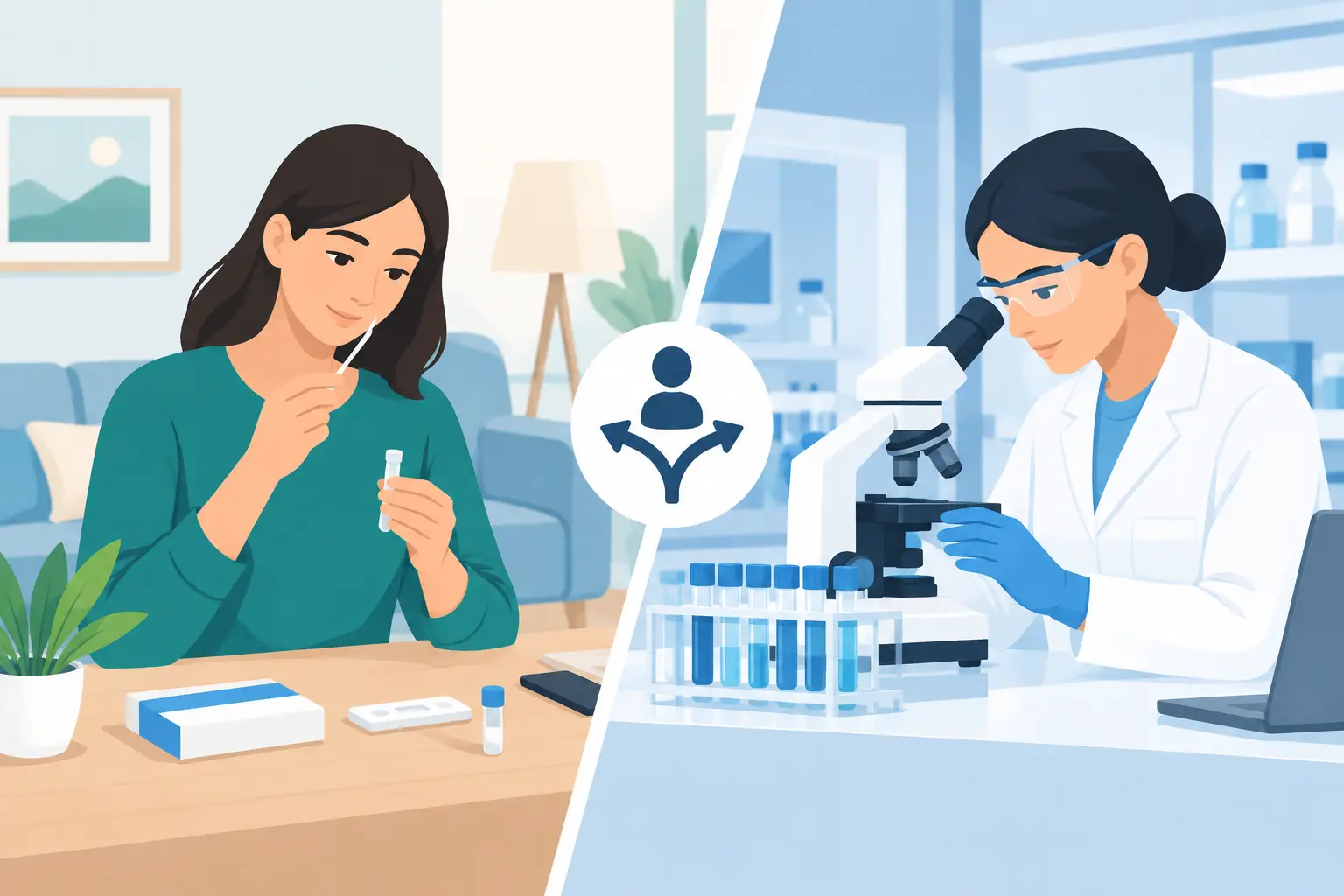
Waking up tired after a full night, hearing that you snore loudly, or noticing pauses in breathing can make sleep apnea testing feel urgent. The choice between home testing versus lab study often comes down to more than convenience. Your symptoms, medical history, sleep concerns, and comfort level all help determine which path can provide the clearest answer.
For many adults with a strong likelihood of obstructive sleep apnea, a home sleep apnea test offers a private, practical way to begin. For others, an overnight sleep study in a lab is the more complete option. Knowing the difference can help you move toward better breathing, deeper sleep, and treatment that fits your life.
Home Testing Versus Lab Study: The Core Difference
A home sleep apnea test is completed in your own bed. You typically receive a compact device with simple sensors that track breathing patterns, airflow, oxygen levels, and breathing effort while you sleep. The test is then reviewed by a qualified provider who determines whether the results support a diagnosis of obstructive sleep apnea.
A lab sleep study, also called an in-lab polysomnogram, takes place overnight in a sleep center. It gathers a much broader set of information, including brain activity, eye movements, heart rhythm, leg movements, oxygen levels, breathing, and actual sleep stages. A sleep technologist is available during the study to monitor the equipment and assist if needed.
Neither option is automatically better for every person. Home testing is designed to make appropriate sleep apnea evaluation more accessible. A lab study is designed to answer more complex sleep questions when a simpler test may not provide enough information.
When Home Sleep Apnea Testing May Be a Good Fit
Home testing is often a sensible starting point for adults who have common signs of moderate to severe obstructive sleep apnea. Those signs may include loud, frequent snoring; witnessed pauses in breathing; gasping or choking during sleep; morning headaches; dry mouth; and persistent daytime sleepiness.
The strongest advantage is that you sleep at home, in a familiar setting. There is no need to arrange an overnight stay, sleep in an unfamiliar room, or manage a long trip to a sleep center. For people balancing work, caregiving, limited mobility, or a busy schedule, that convenience can remove a major barrier to getting evaluated.
Home tests can also feel less intimidating. The equipment is generally streamlined, and instructions are designed for at-home use. You follow the setup guidance, wear the sensors overnight, and return the device or complete the required process as directed. That straightforward experience can help people who have delayed testing because a lab study felt overwhelming or out of reach.
A home test is particularly useful when the question is focused: Is obstructive sleep apnea likely causing these symptoms? If the answer is clear, the next step can be a treatment conversation with a qualified provider, including whether CPAP or another PAP therapy option is appropriate.
What a Home Test Does Not Measure
Convenience comes with limits. Most home sleep apnea tests do not measure sleep stages, brain waves, or every type of nighttime movement. They estimate breathing events during the recording period, but they may not know exactly when you were awake versus asleep.
That matters because a home test can sometimes underestimate the severity of sleep apnea. If you were awake for a large part of the night, the device may record fewer events per hour than you would have had during actual sleep. Sensor placement, poor signal quality, and an unusually restless night can also affect the recording.
A negative or unclear home test does not always mean sleep apnea has been ruled out. If symptoms remain strong, a provider may recommend an in-lab study to get a more complete picture.
When an In-Lab Sleep Study May Be the Better Choice
An overnight lab study is often recommended when symptoms are complicated, when another sleep condition may be involved, or when health factors require closer evaluation. It provides detailed information that a home test cannot capture.
For example, a lab study may be more appropriate for someone with significant heart or lung disease, certain neurologic conditions, chronic opioid use, suspected central sleep apnea, or a history that suggests low oxygen levels unrelated to straightforward obstructive sleep apnea. The right decision depends on the individual and should be made with a qualified clinician.
A lab study can also help evaluate concerns such as severe insomnia, unusual movements during sleep, possible narcolepsy, parasomnias, or periodic limb movements. If you are having episodes that go beyond snoring and breathing pauses, a comprehensive study may be worth the extra time and planning.
Some people need an in-lab titration study after diagnosis. During this type of study, a technologist can adjust PAP pressure settings during the night to see what helps keep the airway open comfortably. This can be especially helpful in more complex cases or when standard therapy has not been effective.
The Trade-Offs of a Lab Study
A lab study is thorough, but it can be less convenient. You will sleep away from home with multiple sensors attached, and the unfamiliar environment may make it harder to fall asleep. Scheduling may also take longer, depending on local availability and insurance requirements.
Still, sleeping perfectly is not required for a useful study. Sleep professionals understand that many people do not sleep exactly as they do at home. The monitoring is designed to capture meaningful patterns even when the night feels different from your usual routine.
How to Think About Comfort, Cost, and Timing
The best test is the one that is clinically appropriate and realistically possible for you to complete. If you have classic obstructive sleep apnea symptoms and no clear reason for more extensive monitoring, home testing may offer a faster, more comfortable first step.
Cost can also shape the decision. Coverage and out-of-pocket responsibility vary by plan, test type, provider, and location. Before scheduling, ask what the test includes, whether a clinician reviews the results, what follow-up is available, and how insurance coverage is checked. Clear answers upfront can prevent surprises later.
Timing matters, too. Untreated sleep apnea can affect energy, concentration, mood, and cardiovascular health. If testing has been on your mind for months, choosing an accessible option may be more helpful than waiting for a perfect time or a perfect night of sleep.
At Affordable Sleep Solutions, the at-home care pathway is built around making the process less burdensome, from virtual consultation and home testing to prescription support and CPAP equipment options when treatment is indicated. The goal is not to make a complex condition seem small. It is to make taking the next step feel manageable.
What Happens After Your Results
Testing is only the beginning. If results confirm obstructive sleep apnea, your provider may discuss PAP therapy, oral appliance therapy, positional strategies, weight management where appropriate, or referrals for additional care. The recommended plan should reflect the severity of apnea, your health history, and what you can use consistently.
For many people, CPAP or APAP therapy is an effective first-line treatment. Modern devices can offer automatic pressure adjustment, quiet operation, heated humidification, and comfort features that make regular use easier. The mask matters just as much as the machine. A nasal mask, nasal pillows, or a full-face mask may fit differently depending on whether you breathe through your mouth, move during sleep, wear glasses, or prefer minimal contact around the face.
If your home test is negative, inconclusive, or technically inadequate but you still have symptoms, speak up. Ongoing daytime sleepiness, loud snoring, witnessed breathing pauses, or repeated nighttime gasping deserve follow-up. A provider may recommend repeating testing or moving to an in-lab study rather than assuming everything is fine.
Questions to Ask Before You Choose
You do not need to become a sleep medicine expert before getting help. A few practical questions can clarify the path ahead: Do my symptoms suggest uncomplicated obstructive sleep apnea? Do any health conditions make an in-lab study safer or more useful? What will the test measure, and what happens if the result is unclear? How will I receive my results and treatment recommendations?
Also ask about the support after diagnosis. Comfortable, consistent treatment is built over time. A clear prescription process, help selecting compatible equipment, and access to replacement masks, cushions, filters, and tubing can make it easier to stay on therapy.
Choosing between a home test and a lab study is not a test of how serious your symptoms are. It is simply a way to get the right information. Start with the option your clinician recommends, follow through on the results, and give yourself the chance to wake up feeling more rested than you did yesterday.