
 Featured Machines
 Travel CPAPs
 Most Popular Masks
 Tubes and Hoses
 Humidifier Chambers
 Machine Filters
 Power Cords
 Headgear
 Nasal Pillows
 Cushions and Seals

When to Use a Home Sleep Test for Sleep Apnea

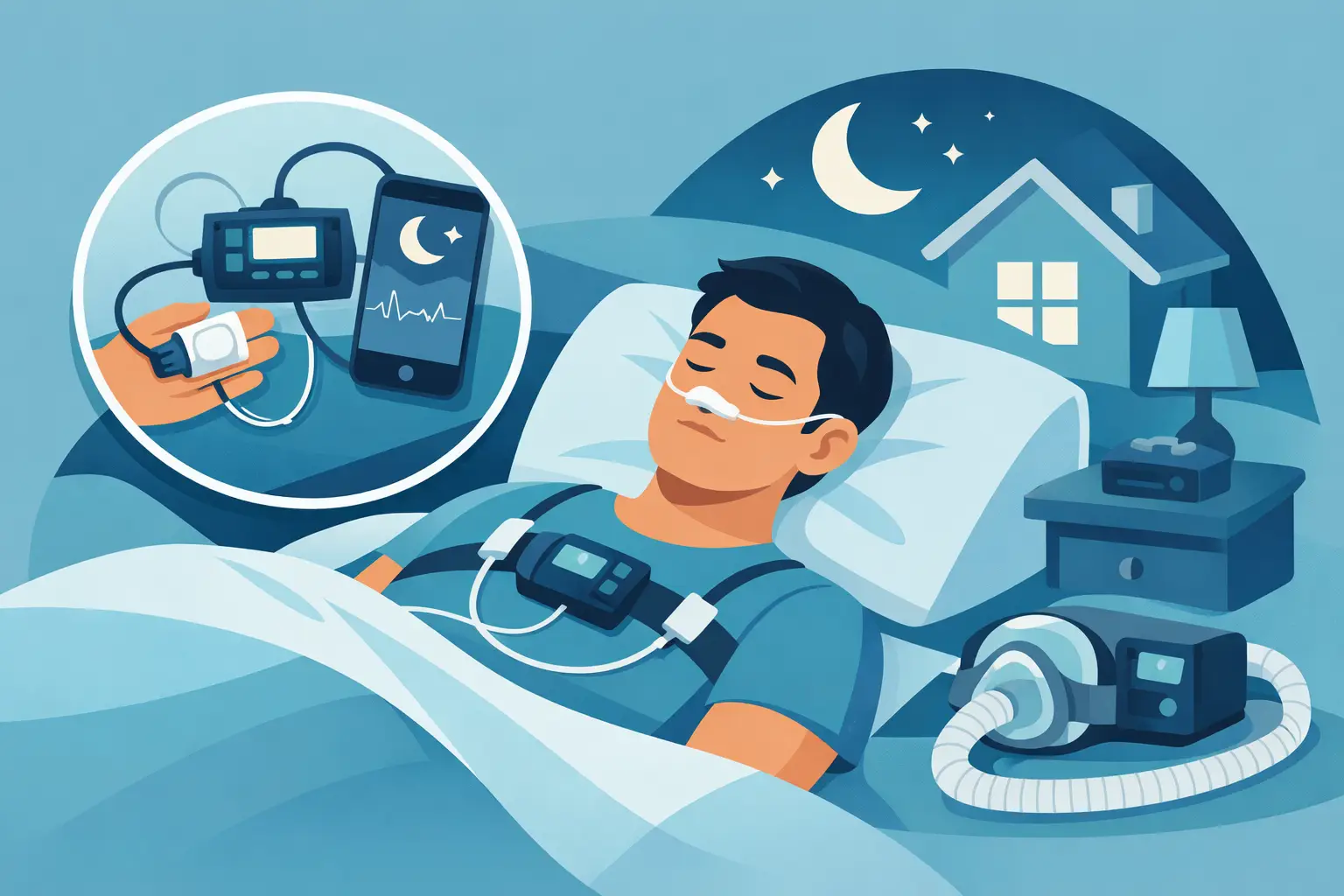
A full night of snoring, gasping, or waking up exhausted can leave you wondering whether sleep apnea is behind it. If getting to a sleep clinic feels difficult, expensive, or simply overwhelming, you may be able to use a home sleep test as a convenient first step. For many adults with likely obstructive sleep apnea, at-home testing offers a private, practical way to gather meaningful information without leaving their own bed.
A home test is not right for every sleep concern, and it does not replace professional medical guidance. But for the right person, it can shorten the path from disruptive nights to clearer answers, effective treatment, and more restorative sleep.
When to use a home sleep test
A home sleep apnea test is generally designed for adults with symptoms that suggest moderate to severe obstructive sleep apnea, often called OSA. OSA happens when the airway repeatedly narrows or closes during sleep, briefly limiting breathing and disrupting the rest your body needs.
Common signs include loud, frequent snoring; witnessed pauses in breathing; choking or gasping during sleep; morning headaches; dry mouth on waking; daytime sleepiness; trouble concentrating; and waking up feeling as though you barely slept. Some people notice the impact at work, while driving, or while trying to enjoy time with family. Others find that their partner recognizes the pattern first.
You may be a good candidate to use a home sleep test if your symptoms are straightforward and you do not have a complicated medical or sleep history. The testing process is often especially helpful for people who want to avoid an overnight lab stay, have a demanding schedule, live far from a sleep center, or prefer the privacy of testing at home.
A qualified provider should still review your health history before recommending a test. That conversation helps make sure the test matches your needs and that your results can be interpreted in the right clinical context.
What a home sleep test measures
Home sleep testing equipment is smaller and simpler than the setup used in a sleep lab. You typically wear a finger sensor to track oxygen levels and pulse, a nasal cannula to monitor airflow, and a chest belt to measure breathing effort. Depending on the device, additional sensors may record body position or snoring.
These measurements help identify breathing interruptions and reductions in airflow during the night. A provider uses the recording to estimate how often those events occur and how they affect your oxygen level. This can help determine whether obstructive sleep apnea is present and how significant it may be.
The trade-off is that a home test does not capture every detail of sleep. Unlike a full in-lab study, it usually does not measure brain waves, sleep stages, leg movements, or some other sleep disorders. It can also underestimate the severity of apnea because it records time in bed rather than precisely measuring how long you were asleep.
That limitation does not make at-home testing less valuable. It simply means the right test depends on the question being asked. When OSA is the primary concern, a home study can offer a focused and accessible answer.
When an in-lab sleep study may be better
Your provider may recommend an in-lab sleep study instead if you have significant heart or lung disease, neuromuscular conditions that affect breathing, a history of stroke, chronic opioid use, or concern for central sleep apnea. A lab study may also be a better fit when symptoms point to insomnia, narcolepsy, unusual nighttime behaviors, or periodic limb movements.
A negative or inconclusive home result does not always rule out sleep apnea. If symptoms remain strong, follow-up testing is often the sensible next move. Good sleep care is not about forcing every person into the same process. It is about getting a reliable answer and acting on it.
What to expect on test night
The most reassuring part of a home sleep test is that it is meant to fit into an ordinary night at home. After your virtual consultation and eligibility review, the equipment is provided with instructions for placement and use. Take a few minutes before bedtime to read them carefully, arrange the sensors, and make sure the device is activated if needed.
Try to keep your evening as typical as possible. Go to bed close to your regular time, avoid making major changes to your routine, and use your usual pillow and sleep environment. The goal is to collect a representative night of breathing data, not to create a perfect night.
The sensors can feel unfamiliar for the first few minutes, but most people adjust quickly. If a cannula shifts or a belt feels too loose, follow the device instructions to reposition it. Do not overtighten anything. The equipment should stay secure while allowing you to sleep comfortably.
You may worry that one restless night will make the study useless. In many cases, the test can still provide enough information, but the recording must contain adequate usable data. If a sensor comes off for much of the night or a technical issue affects the recording, you may need to repeat the test. That can be frustrating, but it is better than moving forward on incomplete information.
How results can guide your next step
Once the recording is returned, a qualified clinician reviews the data and explains what it means for you. If obstructive sleep apnea is confirmed, treatment often starts with positive airway pressure therapy, commonly called CPAP or APAP.
CPAP delivers a steady stream of air to help keep your airway open. APAP automatically adjusts pressure within a prescribed range as your breathing needs change through the night. Both approaches can reduce breathing disruptions and help support deeper, more consistent sleep when used as directed.
Your prescription, treatment needs, comfort preferences, and budget all matter. Some people prefer a compact nasal mask, while others breathe through their mouth and may need a full-face option. Heated humidification can make therapy more comfortable for people who experience dryness or nasal irritation. Features such as quiet operation, automatic pressure adjustment, and travel-friendly sizing can also make it easier to stay consistent.
At Affordable Sleep Solutions, the goal is to make that transition less burdensome. From remote diagnostic access and prescription support to CPAP equipment and replacement supplies, care can continue from home with clear guidance along the way.
Do not let a home test result sit unanswered
Whether your result confirms OSA, comes back negative, or needs more testing, the next step is a conversation with a qualified provider. Untreated sleep apnea can affect energy, mood, blood pressure, and everyday safety, particularly when drowsiness interferes with driving or work.
Seek urgent medical attention for severe shortness of breath, chest pain, fainting, or other sudden concerning symptoms. A home sleep test is for evaluating sleep-related breathing concerns, not for managing an emergency.
If treatment is recommended, give yourself room to adjust. The first few nights with CPAP can feel different, and comfort often improves with the right mask fit, humidity settings, and support. Small adjustments can make a meaningful difference in whether therapy becomes part of your routine.
Better sleep does not have to begin with a complicated overnight clinic visit. When your symptoms and health history make it appropriate, a home sleep test can be a comfortable way to move from uncertainty toward better breathing, deeper rest, and a treatment plan that works in real life.