
 Featured Machines
 Travel CPAPs
 Most Popular Masks
 Tubes and Hoses
 Humidifier Chambers
 Machine Filters
 Power Cords
 Headgear
 Nasal Pillows
 Cushions and Seals

Best CPAP Masks for Side Sleepers That Fit

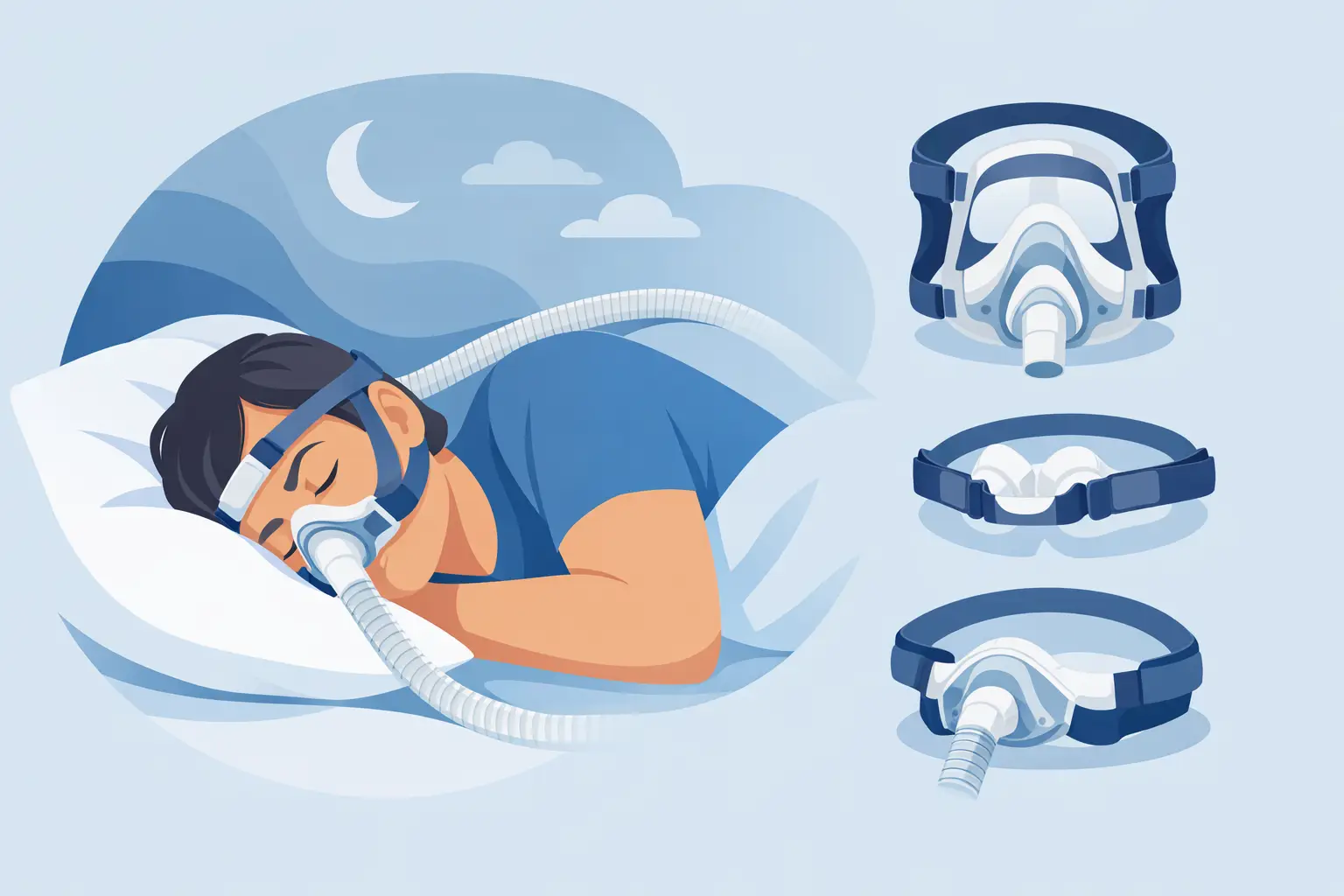
A mask can feel perfectly comfortable while you are sitting upright, then start leaking the moment your cheek meets the pillow. That is why finding the best CPAP masks side sleepers can actually use night after night is less about a single “best” model and more about matching mask style, cushion fit, pressure needs, and sleeping habits.
Side sleeping is often a healthy, comfortable position for people with obstructive sleep apnea. It can help some people reduce airway collapse compared with sleeping flat on their back. But CPAP therapy still needs a stable seal. The right mask should let you turn, settle, and breathe comfortably without leaving you fighting air leaks at 2 a.m.
What side sleepers need from a CPAP mask
A side-sleeping mask has to manage pressure from two directions: the air pressure from your CPAP machine and the physical pressure from your pillow. Larger masks can shift when pressed into bedding, especially if the frame extends far across the cheeks. A shifted cushion can create leaks toward the eyes, loud fluttering sounds, dry mouth, or a drop in therapy comfort.
For many side sleepers, a lower-profile design is the practical place to start. That usually means less material on the face, a softer cushion, and headgear that stays secure without being tightened excessively. A mask that is overtightened may feel stable at first, but it can leave deep marks, irritate skin, and sometimes worsen leaks by flattening the cushion.
Hose placement matters, too. A front-facing hose can pull on the mask when you turn. Masks with tubing that connects at the top of the head often give active sleepers more freedom because the hose can move above the pillow rather than across it. Still, top-of-head tubing is not automatically better for everyone. Some people prefer the familiar feel and simpler setup of a front connection.
The best CPAP mask styles for side sleepers
There is no universal winner, but certain styles tend to work better when you sleep on your side. Your breathing pattern and prescribed pressure will help narrow the choice.
Nasal pillow masks: minimal contact for many sleepers
Nasal pillow masks seal at or just inside the nostrils using small, soft cushions. Their compact design leaves the cheeks mostly clear, which can make them especially appealing for side sleepers who dislike a bulky mask against the pillow.
This style is often a strong option if you breathe comfortably through your nose and want the lightest possible feel. It can also be helpful for people who wear glasses before bed or feel claustrophobic in larger masks. The trade-off is that nasal pillows may feel too direct at higher pressures for some users, especially during the first weeks of therapy. Correct pillow size is essential. A cushion that is too small can pinch or whistle, while one that is too large may leak or cause soreness.
Nasal cradle masks: a soft, low-profile alternative
A nasal cradle mask rests beneath the nostrils rather than sealing inside them. It is still compact, but some side sleepers find it gentler than traditional nasal pillows. The under-the-nose design can reduce contact around the nasal bridge and keep the field of vision open.
Nasal cradle masks can be a comfortable middle ground for users who want minimal facial contact but do not like the sensation of nasal pillows. As with any nasal mask, this style works best when you generally keep your mouth closed during sleep. Persistent mouth leaks can reduce effective therapy and leave you waking with a dry mouth.
Traditional nasal masks: more coverage, often more stability
A nasal mask covers the nose but not the mouth. It has more surface area than a pillow or cradle design, which may give some people a reassuring sense of stability. For side sleepers with sensitive nostrils, frequent congestion, or trouble keeping nasal pillows in place, a compact nasal mask may be the better fit.
Look for a low-profile frame and a soft silicone cushion that does not extend too far onto the cheeks. The main trade-off is pillow contact. A larger nasal cushion has more opportunity to shift when you turn, so fit and headgear adjustment become even more important.
Full face masks: essential for mouth breathers, with a few considerations
If you regularly breathe through your mouth, wake with a very dry mouth, or have nasal blockage that comes and goes, a full face mask may be necessary. It delivers prescribed pressure through both the nose and mouth, helping maintain treatment when nasal breathing is not reliable.
For side sleepers, choose a full face design with a compact cushion and minimal cheek coverage whenever possible. Modern under-the-nose full face masks can be less bulky than older designs that rest across the bridge of the nose. They may also help reduce red marks and pressure in that area. Full face masks can still work very well on your side, but they usually require more careful fitting and a pillow setup that does not press against the seal.
Features that make side sleeping easier
When comparing masks, focus on comfort features that address what happens after you turn onto your side. A flexible frame can adapt better to movement than a rigid one. Quiet, well-designed exhalation vents are also valuable, particularly for anyone sharing a bed.
Soft wrap materials can reduce strap marks and protect sensitive skin. Magnetic clips can make nightly removal easier for many users, although they are not appropriate for everyone. If you have certain implanted medical devices or metal in or near your head, ask your healthcare provider and review the mask manufacturer’s safety guidance before choosing magnetic headgear.
A swivel hose connection helps prevent the tubing from tugging as you shift positions. Some masks also use a top-of-head connection, which can keep the hose out of the way for restless sleepers. If you use heated tubing, make sure it is compatible with your machine and mask setup so your comfort features work together as intended.
Fit matters more than tightening the straps
A well-fitted CPAP mask should feel secure, not cinched down. Start by washing your face to remove oils and skin-care products that can interfere with the seal. Fit the mask while lying in your normal sleep position with your CPAP machine running at therapy pressure, not just while sitting on the edge of the bed.
Once you turn onto your side, make small adjustments one at a time. If a leak starts near the eyes or cheeks, gently lift the cushion away from the face for a moment and let it reseat before tightening anything. A slight repositioning often works better than pulling the straps tighter.
Your mask cushion also has a service life. Silicone can become less flexible over time, and facial oils gradually affect its ability to seal. If a mask that once worked well suddenly starts leaking, inspect the cushion, frame, and headgear for wear before assuming you need a completely different style. Regular replacement supplies are a practical part of keeping CPAP therapy comfortable.
Your pillow can change the mask experience
A standard pillow is not always the enemy, but very firm pillows or pillows that push directly against the mask can cause trouble. Some side sleepers do better with a CPAP pillow that has contoured cutouts around the edges. The goal is to support your head and neck while giving the mask room to sit without pressure.
You can also try sleeping closer to the pillow’s edge so the mask extends beyond it. This simple adjustment may reduce leaks without requiring a new mask or pillow. Keep the hose routed above the headboard, through a hose holder, or in a position that leaves enough slack to turn comfortably. Do not route it in a way that creates tension on the mask.
When to reconsider your mask choice
Give a new mask a fair trial, but do not accept ongoing discomfort as part of treatment. Repeated leaks, skin breakdown, frequent awakenings, headaches from overtightened straps, or dry mouth despite consistent use are all signs that something needs attention.
A change in mask style may help, but it is also wise to check machine settings, humidity, tubing, and nasal congestion. For example, dry nasal passages can make nasal therapy harder to tolerate, while excessive humidity can cause congestion for some people. If you are new to therapy or your prescription has changed, guidance from a qualified sleep professional can help you make adjustments safely.
At Affordable Sleep Solutions, the goal is to make effective sleep apnea care feel more manageable from home, from prescription support to replacement equipment and practical help choosing the right supplies.
The best mask is the one that supports steady, comfortable therapy in the position you naturally sleep. Start with a low-profile design that matches how you breathe, fit it at full pressure while lying on your side, and give yourself permission to adjust until better breathing becomes part of a more restful night.