
 Featured Machines
 Travel CPAPs
 Most Popular Masks
 Tubes and Hoses
 Humidifier Chambers
 Machine Filters
 Power Cords
 Headgear
 Nasal Pillows
 Cushions and Seals

Sleep Apnea Insurance Coverage Made Clear

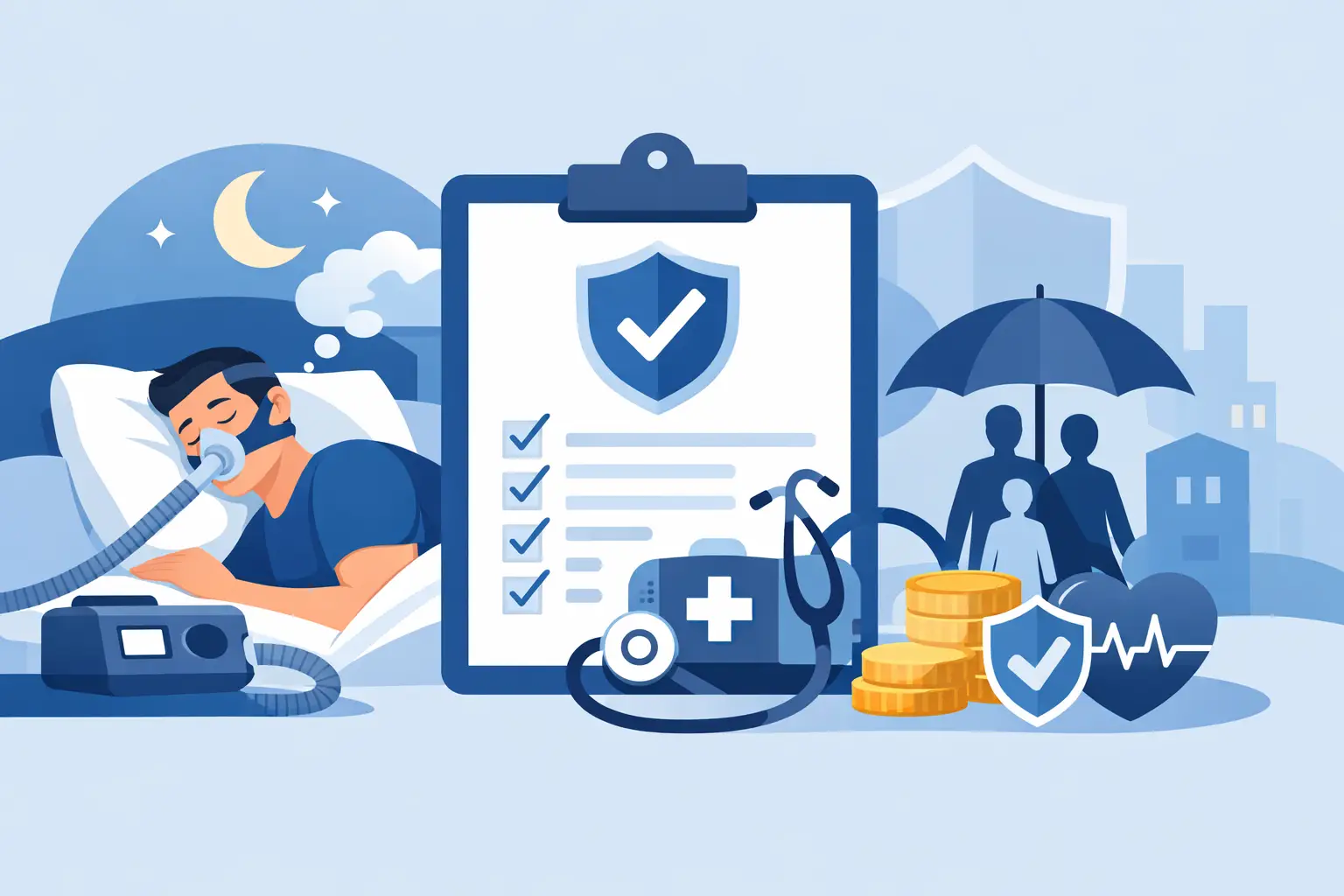
A sleep study may confirm what you have been feeling for months: loud snoring, exhausted mornings, headaches, or waking up short of breath. The next question is usually practical: what will sleep apnea insurance coverage actually pay for? The answer depends on your plan, deductible, provider network, and treatment requirements, but understanding the process before you order equipment can prevent frustrating surprises.
For many people, insurance can help cover diagnostic testing, a CPAP or bilevel machine, and replacement supplies. It rarely means every service or product is free. A clear view of your benefits helps you choose a treatment path that supports both better sleep and a manageable budget.
What Sleep Apnea Insurance Coverage May Include
Most health plans recognize obstructive sleep apnea as a medical condition that can affect heart health, daytime safety, concentration, mood, and quality of life. When treatment is medically necessary, plans may provide benefits for the steps involved in diagnosis and therapy.
Coverage often begins with an evaluation from a qualified clinician. Depending on your plan and health history, that may lead to a home sleep apnea test or an in-lab sleep study. Home testing can be a convenient option for many adults with suspected obstructive sleep apnea, although it is not right for every situation. A clinician can determine whether at-home testing provides enough information or whether more detailed testing is needed.
After a diagnosis, your benefits may extend to positive airway pressure therapy. This can include a CPAP machine, an automatic CPAP machine, or bilevel equipment when prescribed. Your plan may also cover essential accessories such as a mask, headgear, tubing, filters, humidifier chamber, and replacement cushions.
The key word is “may.” Every insurer sets its own medical policies, networks, authorization rules, and supply schedules. Even two plans from the same insurance company can work very differently.
The Costs You May Still Pay
Insurance coverage is not the same as a final out-of-pocket price. Before benefits begin, you may need to meet a deductible. After that, you might owe a copay or coinsurance, which is a percentage of the insurer-approved amount.
For example, a plan could cover durable medical equipment after your deductible is met, while another could apply a 20% coinsurance amount. If your deductible resets at the beginning of the calendar year, timing can also affect your costs. Someone who has already met most of their deductible may see a very different price than someone starting fresh in January.
It is also worth asking whether the plan rents a CPAP machine first rather than purchasing it outright. Rental periods are common. During that time, the insurer may require proof that you are using therapy consistently before it converts the rental to ownership. This approach can feel complicated, but it is designed to confirm that the prescribed device is working for you.
Why CPAP Compliance Can Affect Coverage
Many insurance plans ask for documented CPAP use during the first few months of therapy. A common benchmark is using the machine for at least four hours a night on 70% of nights during a consecutive 30-day period within an early trial window. Your exact requirement may be different, so confirm it with your insurer or equipment provider.
Your machine records usage data, making compliance reporting relatively straightforward. Still, the adjustment period can be real. A mask leak, dry mouth, pressure discomfort, or a poor mask fit can make it harder to use your device long enough each night.
If you are struggling, do not wait until the compliance deadline is near. A different mask style, heated humidification, climate-control tubing, or a comfort-setting adjustment may make therapy easier. Effective treatment is not about forcing yourself through an uncomfortable night. It is about finding a setup that helps you breathe better and sleep deeper.
How Replacement Supply Coverage Usually Works
Masks and supplies wear out, even when they are cleaned carefully. Insurance plans commonly set replacement intervals for items such as cushions, filters, tubing, headgear, and humidifier chambers. These schedules are meant to support hygienic, effective therapy while limiting how often the plan will pay for each item.
A cushion may be eligible for replacement more frequently than a full mask, while a machine is usually covered on a much longer schedule. Buying a replacement before the plan’s allowed date could mean paying the full retail cost. On the other hand, waiting too long to replace a worn cushion or filter can affect comfort, seal quality, and therapy performance.
Supply eligibility is only one part of the equation. Your insurer may require you to use an in-network durable medical equipment supplier, submit a current prescription, or obtain authorization before an order can be billed. Ask whether automatic resupply is available and whether it fits your actual needs. Regular shipments can be helpful, but you should not receive supplies you do not need or use.
Questions to Ask Before You Begin Treatment
A quick benefits check can save time and reduce uncertainty. When you call your insurance company, have your member ID available and ask specifically about sleep testing and positive airway pressure equipment. General questions about “sleep apnea coverage” can produce incomplete answers.
Ask whether a referral or prior authorization is required for a home sleep test, an in-lab study, or a CPAP machine. Confirm whether your clinician and equipment supplier must be in network. Find out your remaining deductible, coinsurance, and out-of-pocket maximum. You should also ask if the machine is rented or purchased, what compliance standard applies, and how often supplies can be replaced.
Write down the date of the call, the representative’s name, and any reference number. Insurance information can change, and having a record makes follow-up easier if the explanation of benefits does not match what you were told.
When Paying Directly Can Make Sense
Using insurance is not always the most affordable or fastest route. If you have a high deductible, limited equipment network, a long authorization process, or an urgent need to replace an aging machine, a direct purchase can be worth comparing. The best choice depends on your expected insurance cost, how soon you need therapy, and whether your plan’s rules work for your situation.
A direct-to-consumer option can also be useful for experienced CPAP users purchasing replacement masks, travel equipment, filters, tubing, or other supplies that may not be covered when they need them. You will still need a valid prescription for prescription-required PAP devices. If your prescription has expired, an online renewal process may offer a practical path forward when clinically appropriate.
At Affordable Sleep Solutions, insurance coverage checking and clear equipment information can help you understand your options before you commit. Price matching and online access to CPAP supplies can be especially helpful when you are weighing insurance billing against paying directly.
Avoid These Common Coverage Delays
The most preventable delays happen when paperwork is incomplete. An insurer may need the sleep study report, clinical notes, a prescription with the correct device settings, and documentation that the equipment is medically necessary. A missing signature or outdated prescription can hold up an otherwise straightforward order.
Network rules are another frequent issue. A doctor may be in network while the equipment supplier is not, or a plan may have a narrow list of approved suppliers. Confirm both sides before assuming the claim will be processed at the in-network rate.
Finally, do not assume a previous plan’s rules apply to a new employer plan, Medicare-related coverage, or a policy you selected during open enrollment. Recheck benefits whenever your coverage changes. Your sleep needs may be consistent, but your plan rules may not be.
Good sleep apnea care should not feel out of reach because insurance language is confusing. Start with your benefits, keep your prescription and testing records organized, and choose the treatment path that lets you begin and maintain therapy with confidence. Each comfortable night of consistent use is a meaningful step toward more restorative sleep and safer, more energized days.