
 Featured Machines
 Travel CPAPs

 Most Popular Masks

 Tubes and Hoses
 Humidifier Chambers
 Machine Filters
 Power Cords
 Headgear
 Nasal Pillows
 Cushions and Seals


CPAP Headgear: Fit Comfortably, Sleep Better

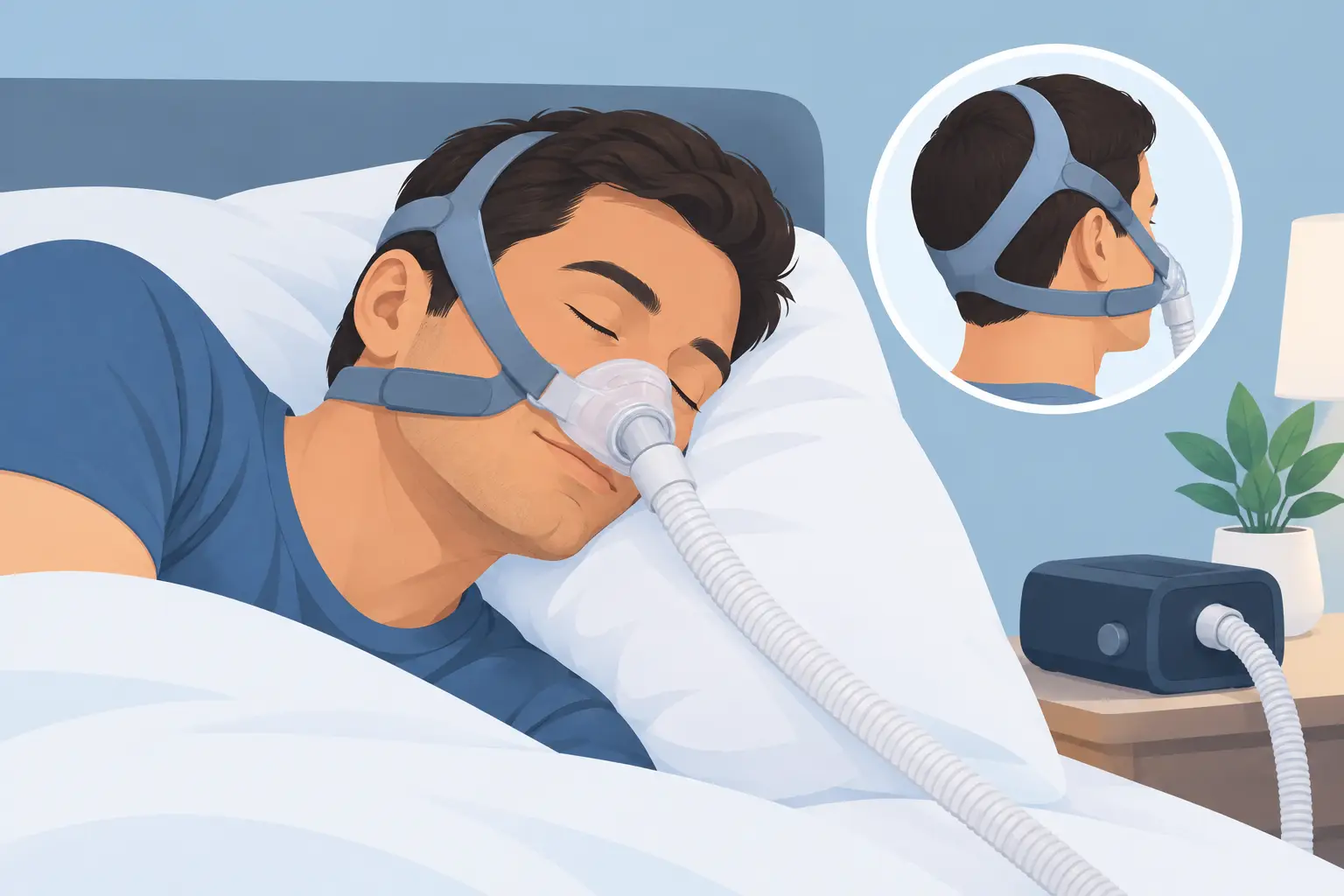
A mask can be the right style and the cushion can be brand-new, yet CPAP therapy may still feel frustrating if the straps are stretched, twisted, or set too tight. CPAP headgear is what holds your mask in a stable, comfortable position through the night. When it fits well, it helps support a consistent seal without leaving you feeling compressed, sore, or ready to remove your mask before morning.
For many people, adjusting or replacing headgear is one of the simplest ways to make therapy more comfortable. The goal is not to pull the mask as tightly as possible. It is to create gentle, even support so you can breathe better, sleep deeper, and wake up ready for the day.
What CPAP Headgear Does
CPAP headgear is the fabric or silicone strap system that connects to your CPAP mask and secures it around your head. It works with the cushion, frame, and clips to keep your mask in place as your therapy pressure flows.
A good fit matters because pressure changes, facial movement, and sleep position can all affect the seal. Headgear should provide enough stability to limit leaks without pressing the cushion so firmly against your skin that it folds, pinches, or becomes uncomfortable.
Most headgear is designed for a specific mask model or mask family. That is why it is usually best to replace worn headgear with the manufacturer-compatible version made for your mask. A strap from another style may appear similar but connect differently or change the way the cushion seals.
How CPAP Headgear Should Fit
Comfortable headgear should feel secure, not restrictive. Your mask should stay in place when you turn from your back to your side, but the straps should not leave deep marks that last well into the morning.
Start with the mask cushion resting naturally on your face. Attach the lower and upper straps, then tighten each side gradually and evenly. If one side is much tighter than the other, the mask can pull off-center and create a leak. Many masks seal best when the straps are looser than expected, especially after the machine is running.
Turn on your CPAP while you make final adjustments. Air pressure can cause the cushion to inflate slightly against the face, which is part of how many masks create their seal. If you tighten the headgear before pressure begins, you may over-tighten it and make leaks worse.
A few signs your fit needs attention include air blowing toward your eyes, recurring leaks when you change position, frequent awakenings to readjust the mask, headaches from pressure points, or sore skin around the cheeks and nose. These problems do not always mean you need a new mask. Often, cleaning the cushion, readjusting the straps, or replacing stretched headgear can help.
Too tight can cause leaks, too
It is natural to tighten the straps when you hear a leak. But excess tension can flatten or distort the cushion, breaking the very seal you are trying to improve. It can also lead to red marks, tenderness, and skin irritation that makes regular therapy harder.
If your mask leaks, loosen the straps slightly, center the cushion, and let the machine run for a minute. Then make small adjustments rather than pulling every strap tighter at once. If leaks continue, inspect the cushion and frame for wear, and confirm that your mask size still suits your face.
Choosing CPAP Headgear for Your Mask Style
The right headgear depends first on your mask. Full face masks, nasal masks, and nasal pillow masks use different designs because they support different cushion shapes and contact points.
Full face mask headgear typically has several anchor points to keep the mask stable around both the nose and mouth. It may feel more substantial, but the added support can be useful for people who breathe through their mouth or need higher therapy pressures.
Nasal mask headgear is often lighter and supports a cushion that covers the nose only. It can be a comfortable option for people who prefer a less bulky feel, provided they can keep their mouth closed comfortably during sleep.
Nasal pillow headgear is generally the most minimal. It holds soft inserts at the nostrils and can be a good fit for people who feel crowded by a larger mask. Because it has less material, correct adjustment is especially important. A small shift in strap tension can change how the pillows sit.
Some designs use magnetic clips, quick-release tabs, or soft-wrap straps that make nightly setup easier. These features can be helpful if hand strength or dexterity is a concern. However, people with certain implanted medical devices should follow manufacturer guidance regarding magnetic mask clips and speak with their healthcare professional if they are unsure.
When to Replace CPAP Headgear
Headgear gradually loses its elasticity from nightly stretching, facial oils, moisture, washing, and normal use. A strap that once held its adjustment may begin slipping, require constant tightening, or feel uneven from side to side.
Many CPAP users replace headgear about every six months, though the right timing depends on how often you use it, how you clean it, and whether it still provides reliable support. Replacing it sooner may make sense if you notice visible fraying, weakened Velcro, cracked clips, stretched fabric, persistent leaks, or a fit that no longer feels secure.
It is also wise to check headgear after a significant weight change, facial surgery, or a switch to a different mask style. Your comfort needs can change over time, and therapy works best when your equipment still fits your current routine.
Care that helps headgear last
Hand-washing headgear regularly with mild soap and lukewarm water can remove oils that contribute to slipping and fabric wear. Rinse thoroughly and allow it to air-dry away from direct heat or sunlight. High heat can weaken elastic materials and shorten the life of the straps.
Avoid harsh cleaners, bleach, scented oils, and fabric softeners. They can irritate skin or damage materials. Rotating between two compatible headgear sets can also be useful for frequent travelers or anyone who wants a dry backup available after cleaning.
Common Comfort Problems and Practical Fixes
If straps leave marks, begin by loosening them slightly and checking that the cushion is clean and seated correctly. Mask liners or soft strap covers may reduce friction for sensitive skin, although they can slightly change the fit and should be positioned carefully.
If your headgear slips at the crown of your head, make sure the upper strap is centered rather than sitting too far forward or back. Hair texture, sleep movement, and pillow type can all affect stability. A CPAP-friendly pillow with cutouts may help some side sleepers by reducing pressure against the mask, but it is not necessary for everyone.
If you wake with a dry mouth while using a nasal mask, headgear adjustment may not be the main issue. Mouth opening during sleep, humidity settings, or mask style may be involved. A chin strap can help some people, while others may be more comfortable discussing a full face mask with their care team.
For ongoing leaks, pain, or difficulty tolerating therapy, do not assume you simply need to push through. A different cushion size, mask design, or comfort setting may be a better solution. Affordable Sleep Solutions can help you identify compatible replacement supplies and navigate a more comfortable path to consistent therapy.
Give Yourself a Better Start Tonight
Your CPAP mask should support sleep, not become another reason to lose it. Take a few minutes to inspect your headgear, wash it when needed, and make small adjustments with the machine running. A secure, gentle fit can turn a restless night of readjusting into the steady treatment your body needs for more restorative sleep.