
 Featured Machines
 Travel CPAPs

 Most Popular Masks

 Tubes and Hoses
 Humidifier Chambers
 Machine Filters
 Power Cords
 Headgear
 Nasal Pillows
 Cushions and Seals


Sleep Apnea Signs, Testing, and Treatment

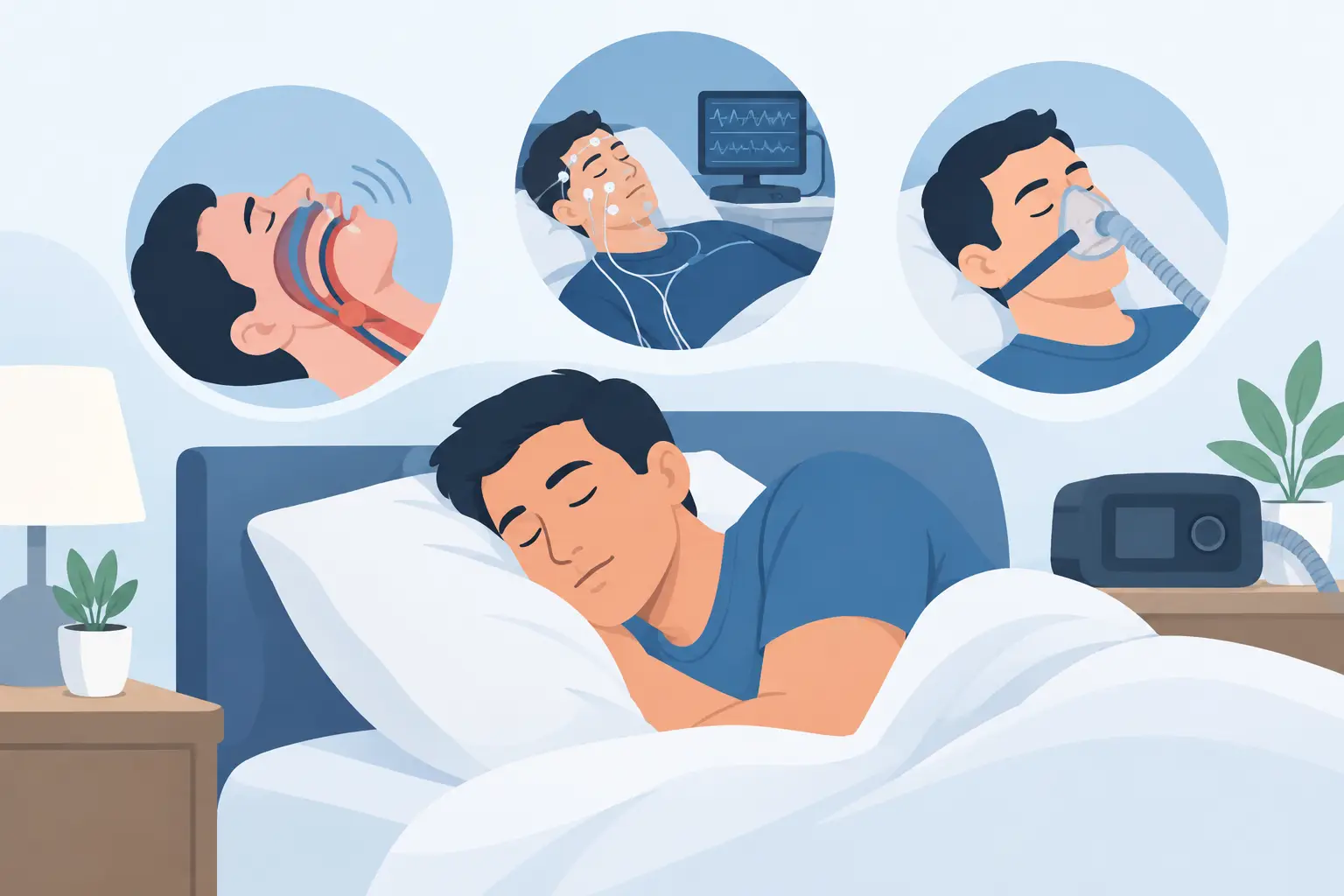
A partner may notice the pauses first: loud snoring that suddenly stops, a gasp for air, then breathing that resumes. But sleep apnea is not only a nighttime concern. The interrupted breathing can leave you fighting fatigue at work, dozing off during quiet moments, waking with a headache, or feeling like a full night in bed never delivered real rest.
The encouraging part is that sleep apnea is treatable, and getting answers does not always require a complicated path through a sleep lab. With the right evaluation and a therapy plan that fits your needs, better breathing and deeper sleep can become a realistic goal.
What sleep apnea is and why it matters
Sleep apnea is a condition in which breathing repeatedly slows or stops during sleep. The most common form is obstructive sleep apnea, often called OSA. It happens when the muscles in the throat relax enough to narrow or block the airway. Your brain briefly wakes you to reopen it, sometimes dozens of times an hour. These awakenings may be so short that you do not remember them, but they can interrupt the sleep stages your body needs to recover.
Less commonly, central sleep apnea occurs when the brain does not consistently send the proper signals to breathe. Some people also have a combination of obstructive and central events. A qualified healthcare professional can help identify the type of breathing issue involved, because the best treatment can differ.
Untreated OSA may affect more than energy and mood. It is associated with high blood pressure, heart disease, stroke risk, type 2 diabetes, and safety concerns related to drowsy driving. That does not mean every person who snores has sleep apnea, or that every tired day points to a serious condition. It does mean recurring symptoms deserve a closer look rather than being dismissed as normal aging or a busy schedule.
Sleep apnea symptoms worth paying attention to
Snoring is common, but snoring paired with breathing pauses, choking, or gasping is more concerning. Other nighttime signs can include restless sleep, frequent bathroom trips, dry mouth, sweating, or waking abruptly with a racing heart.
During the day, sleep apnea can show up in ways that are easy to blame on other demands. You may need several cups of coffee to function, struggle to focus in meetings, feel irritable, or fall asleep while watching television. Morning headaches and waking unrefreshed are also common reports.
Risk can increase with age, excess weight, a larger neck circumference, nasal congestion, alcohol use near bedtime, smoking, and a family history of OSA. Anatomy matters too. A person does not need to fit a particular body type to have sleep apnea. Women may be more likely to report fatigue, insomnia, headaches, or mood changes instead of the classic loud-snoring pattern, which is one reason symptoms can be overlooked.
If you have witnessed breathing pauses, severe daytime sleepiness, or a near-miss while driving because you were drowsy, seek medical guidance promptly. Chest pain, severe shortness of breath, or other urgent symptoms should be evaluated right away.
How sleep apnea testing works at home
A sleep study measures what happens while you sleep, including breathing patterns and oxygen levels. For many adults with suspected uncomplicated obstructive sleep apnea, a home sleep apnea test may be an appropriate first step. The equipment is typically sent to your home, and you wear a few small sensors overnight in your own bed.
Home testing is often a more comfortable option for people who cannot easily spend a night in a sleep center. It can be especially practical when work, family responsibilities, travel distance, or cost have delayed getting evaluated. A virtual sleep consultation can help determine whether at-home testing fits your health history and symptoms.
Still, a home test is not the right tool for everyone. People with certain heart, lung, neuromuscular, or complex sleep conditions may need an in-lab study. A negative home result does not always rule out sleep apnea either, particularly when symptoms remain strong. If the test is unclear or does not match how you feel, ask what follow-up testing is appropriate.
Treatment for sleep apnea is not one-size-fits-all
For moderate to severe obstructive sleep apnea, positive airway pressure therapy is often the most effective treatment. CPAP, or continuous positive airway pressure, gently delivers air through a mask to keep the airway open while you sleep. The goal is simple: fewer breathing interruptions and more consistent, restorative rest.
An APAP machine automatically adjusts pressure within a prescribed range based on your breathing needs throughout the night. Some people benefit from bilevel therapy, which uses different pressure settings for inhaling and exhaling. These devices require a prescription, and the correct setup should follow guidance from a licensed clinician.
Comfort is not an extra feature of successful therapy. It is central to using it consistently. A nasal mask may feel light and open for someone who primarily breathes through their nose. A full-face mask can be a better match for mouth breathing or frequent congestion. Nasal pillows sit more minimally at the nostrils and may suit people who dislike a larger mask frame. The best choice depends on your breathing habits, sleeping position, facial fit, and personal comfort.
Heated humidification can ease dry nose or throat symptoms, while climate-control tubing may help manage condensation in the hose. These details can make a meaningful difference during the first weeks of treatment. If a mask leaks, feels too tight, or leaves you removing it overnight, that is a signal to troubleshoot, not a reason to give up.
Other treatments may be considered in specific situations. Positional therapy can help people whose apnea is much worse when sleeping on their back. An oral appliance fitted by a qualified dental professional may help some people with mild to moderate OSA. Weight management, regular movement, and avoiding alcohol or sedating medications close to bedtime can support treatment, but lifestyle changes alone may not resolve clinically significant apnea. Surgery may be appropriate for selected patients after a thorough evaluation.
Making CPAP therapy easier to stay with
The first nights with CPAP can feel unfamiliar. Most people need an adjustment period, and small changes often solve the issues that make therapy frustrating. Start by wearing the mask for short periods while awake, such as while reading or watching television. This can help your breathing and your routine feel more natural before bedtime.
Fit the mask while lying in your usual sleeping position, not just while sitting up. Tightening the headgear too much can actually worsen leaks by distorting the cushion. Clean the mask cushion regularly, refill the humidifier chamber with distilled water as directed, and inspect tubing and filters on schedule. Worn cushions, stretched headgear, and dirty filters can affect both comfort and performance.
Consistency matters. Using therapy only on the nights when you feel especially tired leaves breathing interruptions untreated on the other nights. Aim to use prescribed therapy whenever you sleep, including naps and travel. A compact travel PAP device may be useful for frequent travelers, although the right option depends on your prescription, power access, and clinician’s recommendations.
Getting support without putting care on hold
A diagnosis can feel like one more item on an already full to-do list. It does not have to become an obstacle course. Affordable Sleep Solutions helps eligible customers move through virtual consultations, home sleep apnea testing, prescription renewal support, and CPAP equipment selection from home.
Whether you are seeking answers for the first time or replacing supplies for a machine you already use, keep the focus on what helps you sleep comfortably and breathe reliably. Ask questions about your results, prescription, mask fit, insurance coverage, and replacement schedule. Good sleep apnea care should feel clear, private, and manageable.
Better sleep rarely comes from simply trying harder to push through fatigue. If your nights are marked by snoring, gasping, or unexplained exhaustion, taking the next step toward evaluation can be a practical act of self-care – one that supports safer days and more restorative nights.