
 Featured Machines
 Travel CPAPs
 Most Popular Masks
 Tubes and Hoses
 Humidifier Chambers
 Machine Filters
 Power Cords
 Headgear
 Nasal Pillows
 Cushions and Seals

Full Face Versus Nasal Mask: Which Fits You?

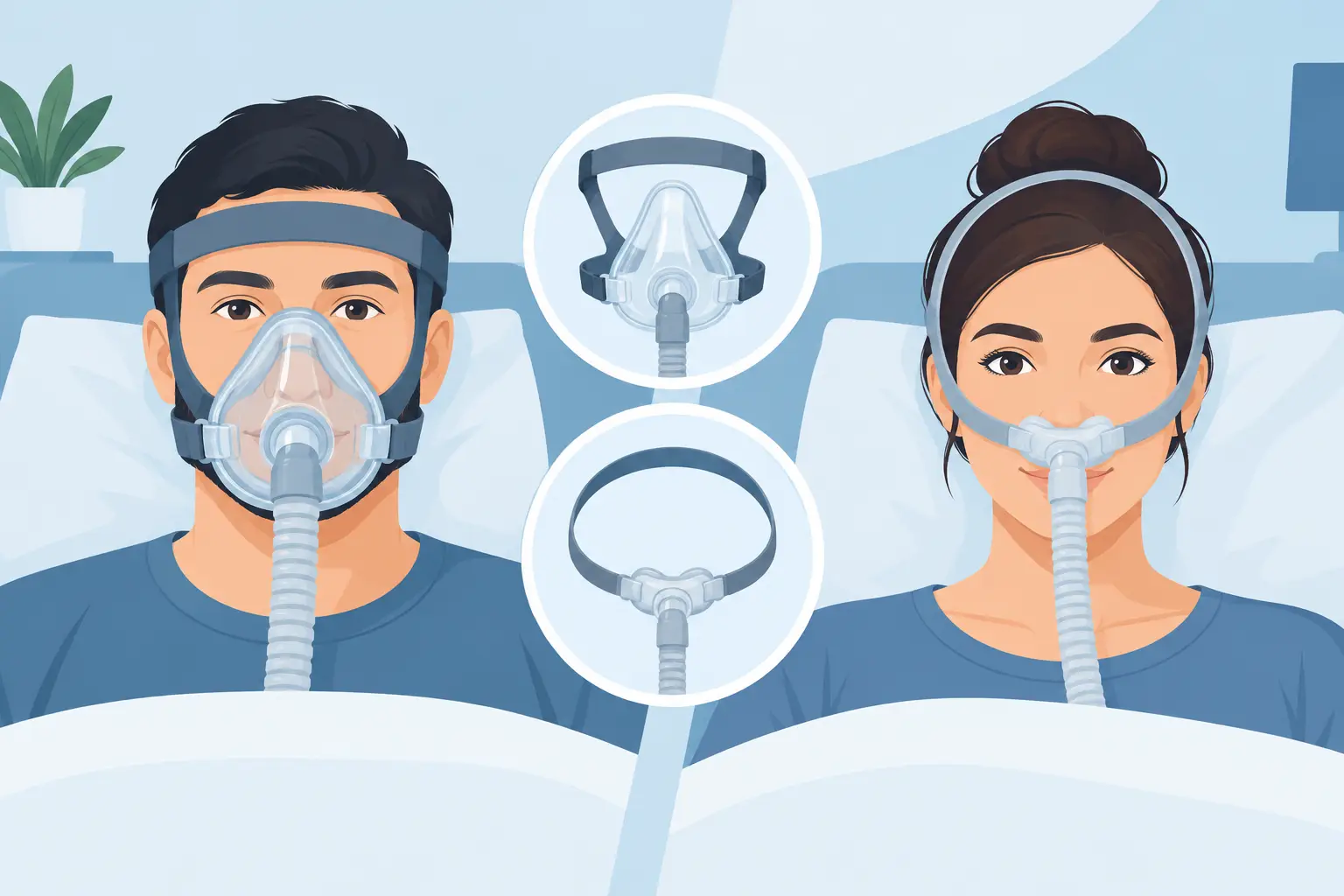
A CPAP mask can be clinically effective and still feel wrong at 2 a.m. If you are deciding between a full face versus nasal mask, the best choice is usually not about which style is “better.” It is about how you naturally breathe, move, sleep, and respond to therapy pressure. The right fit can make treatment feel far more comfortable and help you stay consistent enough to enjoy deeper, more restorative sleep.
Full Face Versus Nasal Mask: Start With How You Breathe
The biggest question is simple: do you regularly breathe through your mouth while you sleep? A full face mask covers both the nose and mouth, so it can continue delivering prescribed pressure even if your mouth opens overnight. A nasal mask rests over the nose only and works best when you can comfortably keep your mouth closed during sleep.
Neither answer is a judgment. Nasal congestion, allergies, a deviated septum, certain medications, and simple sleep habits can all make mouth breathing more likely. Your needs may even change from season to season. Choosing a mask that works with your normal breathing pattern is often easier than trying to force a different one.
When a Full Face Mask May Be the Better Fit
A full face mask is often a practical choice for people who wake with a dry mouth, notice that their mouth falls open, or have frequent nasal stuffiness. Because it seals around both the nose and mouth, it gives you a reliable breathing path when your nose is not cooperating.
This style can also feel reassuring for new CPAP users who are worried about being unable to breathe through their mouth. Many full face masks have modern, low-profile designs that offer a more open field of vision than older, bulkier styles. They can be especially helpful when your prescribed pressure is higher, since they accommodate mouth breathing without losing therapy air.
The tradeoff is surface area. A full face mask has more cushion touching your face, which creates more opportunities for a leak if the fit is off. Side sleepers may need to spend extra time adjusting headgear, pillow position, and cushion placement. Some people also find that a larger mask feels warmer or more noticeable at first.
When a Nasal Mask May Be the Better Fit
A nasal mask covers the nose and is often a comfortable middle ground. It is smaller and lighter than a full face mask but provides more coverage than nasal pillows, which seal at the nostrils. For many people, that balance makes nasal masks easier to wear consistently.
If you breathe well through your nose and tend to keep your mouth closed while asleep, a nasal mask may offer a less intrusive feel. The smaller footprint can be useful for reading, watching television, or wearing glasses before bed. It may also be easier to get a stable seal when you sleep on your side because there is less mask to shift against the pillow.
The limitation is mouth leak. If your mouth opens while using a nasal mask, therapy air can escape, leaving you with dry mouth, noisy leaks, and less effective treatment. Some users address this with humidification, a chin strap, or treatment for ongoing nasal congestion. Others simply find that a full face mask is more comfortable and dependable.
Comfort Is More Than Mask Size
It is tempting to assume the smallest mask will automatically be the most comfortable. In practice, comfort comes from a secure seal, the right cushion size, breathable headgear, and pressure that feels manageable. A nasal mask that leaks all night is not more comfortable than a well-fitted full face mask. Likewise, a full face mask that leaves deep marks or feels overly tight needs attention, not endurance.
A good mask should sit gently against the skin. Tightening the straps too much often makes leaks worse by distorting the cushion. Start with a clean cushion, follow the fitting instructions for your specific mask, and make adjustments while your CPAP machine is running at therapy pressure. Your facial muscles change when you lie down, so a mask that seems perfect while sitting may need a small adjustment in bed.
Facial hair can affect both styles, especially where the cushion seals against the upper lip, cheeks, or chin. That does not automatically rule out a full face mask, but it may mean you need to test sizing and cushion styles more carefully. Skin sensitivity matters, too. If you develop persistent irritation, pressure sores, or a rash, contact your care provider rather than trying to push through discomfort.
Match Your Mask to Your Sleep Habits
Your usual sleep position can help narrow the choice. Side sleepers often prefer the lighter feel and smaller profile of a nasal mask, though plenty of side sleepers do well with a full face mask that has flexible tubing placement and a stable cushion. A CPAP-friendly pillow or adjusting the edge of your pillow can reduce pressure on the mask.
Back sleepers may have an easier time maintaining a seal with either style, but they should still pay attention to mouth opening. If you often wake on your back with dry mouth, a full face mask may be worth considering. Stomach sleeping can be more challenging with any CPAP mask, but a lower-profile nasal option may be easier to position comfortably.
Your pressure settings also matter. Higher pressures can make leaks more noticeable, particularly when a nasal mask is paired with unrecognized mouth breathing. That does not mean everyone at a higher pressure needs a full face mask. It means fit, leak data, and your overnight comfort deserve closer attention.
Do Not Mistake a Leak for the Wrong Mask Style
Before switching from a nasal mask to a full face mask, or the other way around, check the basics. A worn cushion, loose headgear, incorrect sizing, or oils on the mask seal can cause leaks in any style. Cushions and other replacement supplies do not last forever, and a mask that used to fit well can gradually become less effective as materials wear down.
Pay attention to what the leak feels like. Air blowing toward your eyes often points to a seal issue near the bridge of the nose. A dry mouth while using a nasal mask may suggest mouth leak. Leaks around the chin or cheeks in a full face mask can come from overtightened straps, an incorrect cushion size, or changing positions during sleep.
Many PAP devices record leak information that can help you spot a pattern. If you are unsure what the data means, a sleep care professional can help you separate a fitting problem from a mask-style problem. That guidance can save you from replacing equipment that only needs a small adjustment.
How to Choose Without Guessing
Begin with your real sleep experience, not an ideal version of it. Consider whether you wake with dry mouth, deal with frequent congestion, sleep on your side, wear glasses before bed, or feel claustrophobic with more facial coverage. These details are more useful than choosing based on appearance alone.
If you are new to therapy, give yourself a reasonable adjustment period. Wear the mask for a few minutes while awake, such as while reading or relaxing, so the sensation becomes familiar without the pressure of trying to fall asleep. Use the ramp and humidification features available on your device when prescribed, and make one change at a time so you can tell what is helping.
For people who suspect sleep apnea or need a current prescription to replace equipment, at-home care can make the next step feel more manageable. Affordable Sleep Solutions helps customers access virtual sleep support, home testing pathways, prescription renewal options, and CPAP equipment from home. The goal is not to make treatment complicated. It is to help you find a setup you can use night after night.
A Nasal Mask Is Not the Same as Nasal Pillows
One point can cause unnecessary confusion: nasal masks and nasal pillows are different styles. Both are designed for nose breathing, but nasal pillows seal at or just inside the nostrils, while a nasal mask covers the nose. Nasal pillows can feel especially minimal, but some people find the direct airflow sensation too strong or prefer the broader cushion of a nasal mask.
If you know you want less facial coverage but are not sure how minimal you want to go, a standard nasal mask can be a sensible place to start. If you have mouth leak, however, moving to nasal pillows alone will not solve it.
The best CPAP mask is the one that supports prescribed therapy without making bedtime feel like a battle. Give yourself permission to adjust, ask questions, and replace worn parts when needed. Better breathing and more restful sleep are built one comfortable night at a time.